 Made in Slovakia
 ISO 9001 Made in Slovakia ISO 9001
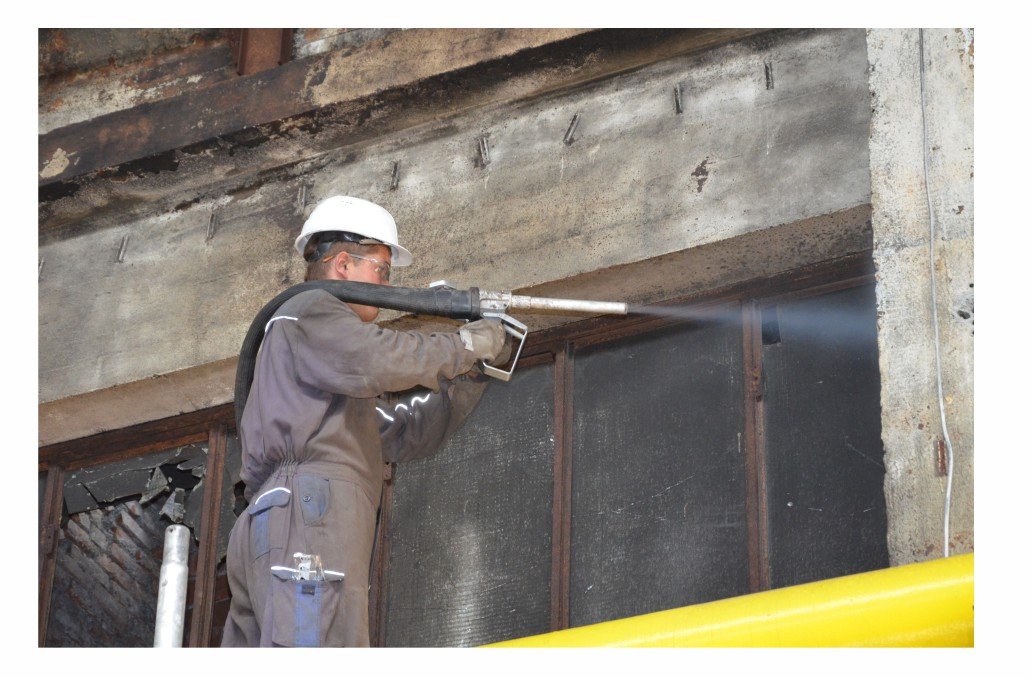 Odor in an interior, production hall, or vehicle is not just an aesthetic issue. In most cases, it indicates the presence of contamination — grease, mold, bacteria, smoke residues, or organic debris. Conventional cleaning methods often only suppress the smell or mask it with chemical fragrances. Dry ice cleaning approaches the problem differently: it removes the actual source of the odor.
The technology is based on the use of solid carbon dioxide (CO₂) pellets at a temperature of -78.5 °C, which are applied under pressure to the contaminated surface. Upon impact, the extreme cold causes immediate thermal shock, disrupting the structure of the contamination and weakening its adhesion to the substrate. The pellets then sublimate — converting directly from solid to gas. This rapid phase change creates a micro-expansion effect that lifts and removes loosened particles from the surface. The result is a clean, completely dry surface with no water or chemical residue.
The absence of moisture is one of the key reasons why dry ice cleaning is highly effective in odor removal. Water can promote further microbial growth, and some chemical cleaners leave residues that temporarily mask odors without eliminating their cause. Dry ice cleaning works mechanically and thermally, physically removing the layers where odor-causing contaminants are embedded.
Excellent results are achieved in fire damage restoration, where odors are caused by soot and microscopic combustion residues deposited on structural surfaces. The method is equally effective in industrial environments, where smells are often bound to oils, lubricants, and production-related buildup. In the automotive sector, dry ice cleaning is used for interiors, undercarriages, and HVAC systems, particularly after water intrusion or biological contamination.
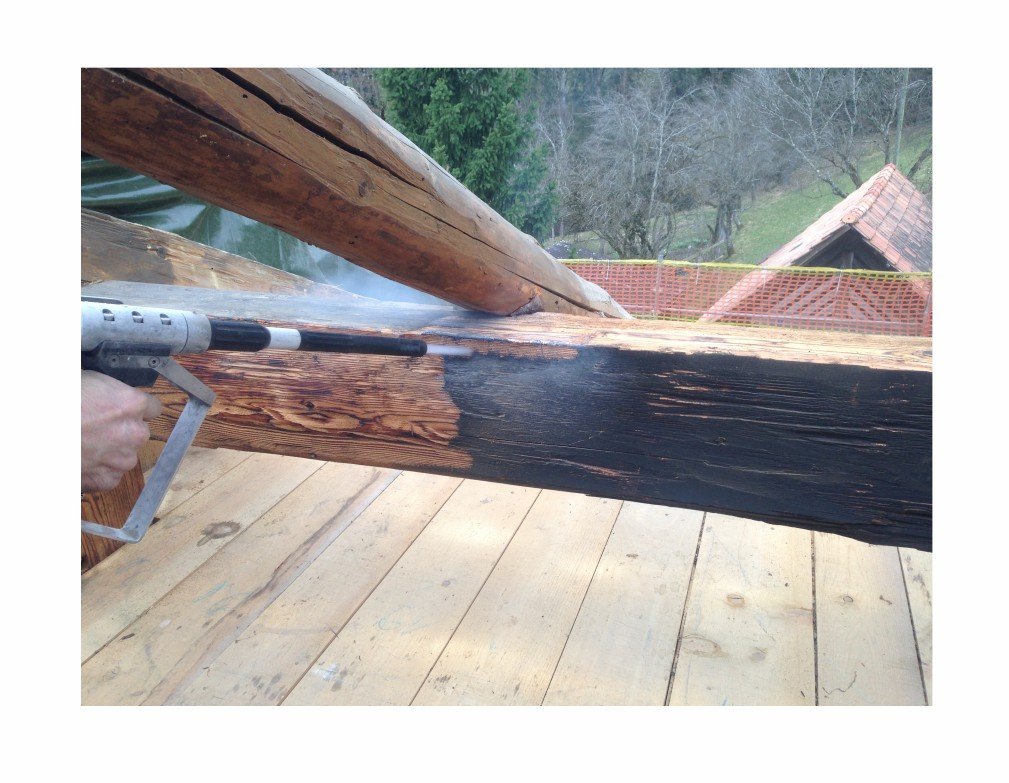
It should be noted, however, that the effectiveness of odor removal depends on the origin of the smell and the extent of material damage. If odors are deeply absorbed into porous structures such as insulation or severely damaged building materials, combining dry ice cleaning with additional methods may be necessary. In practice, the process is often supplemented with ozone treatment or replacement of irreversibly contaminated materials.
From a technological standpoint, dry ice cleaning is considered environmentally responsible because the CO₂ used is a by-product of industrial processes and does not introduce additional emissions into the atmosphere. The method produces no secondary waste in the form of water or chemical solutions, simplifying post-cleaning disposal. It is also safe for most solid surfaces, including metals, plastics, and wooden structures.
So, does dry ice cleaning remove odors? Yes — in cases where the contamination source can be physically eliminated. It does not mask smells; it removes the underlying cause. Proper professional assessment remains essential, as only a detailed evaluation of the environment can determine whether dry ice cleaning alone is sufficient or if it should be combined with other remediation techniques.