 Made in Slovakia
 ISO 9001 Made in Slovakia ISO 9001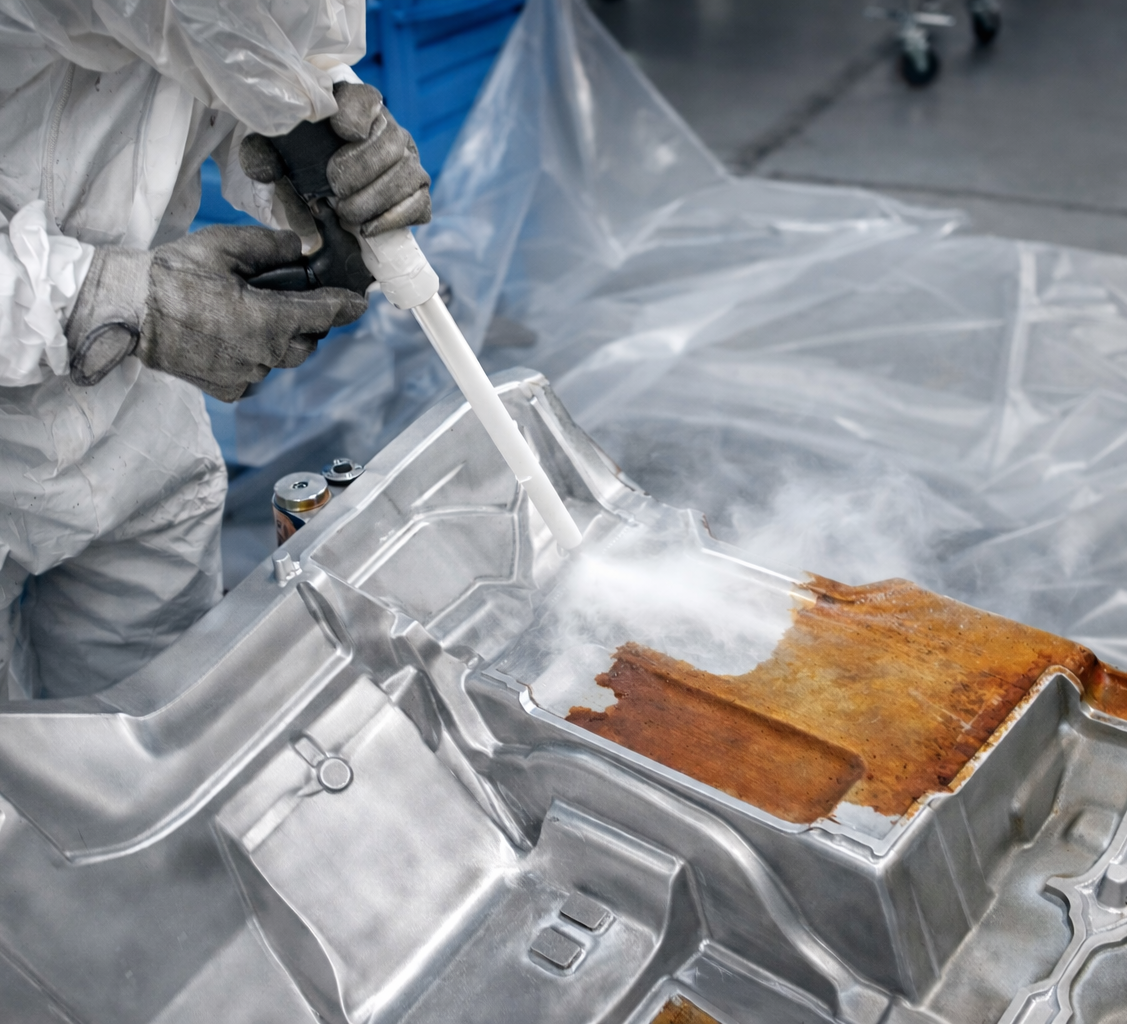
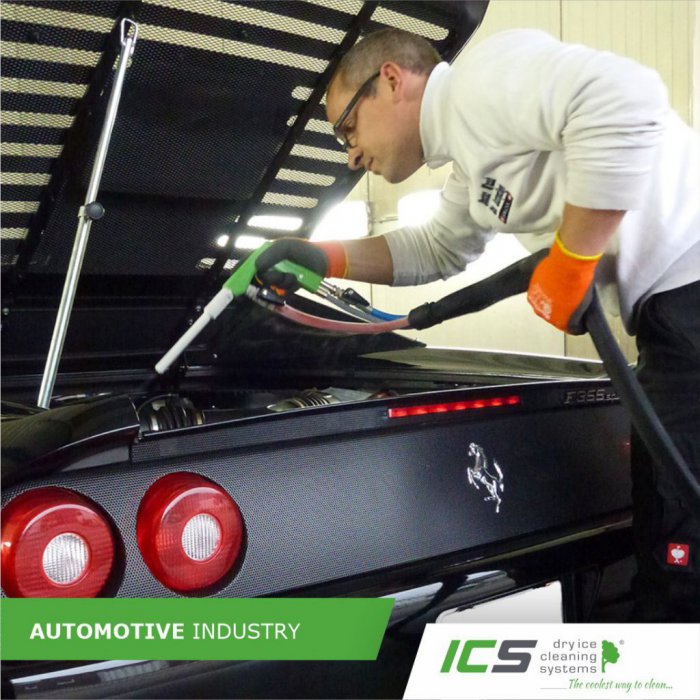
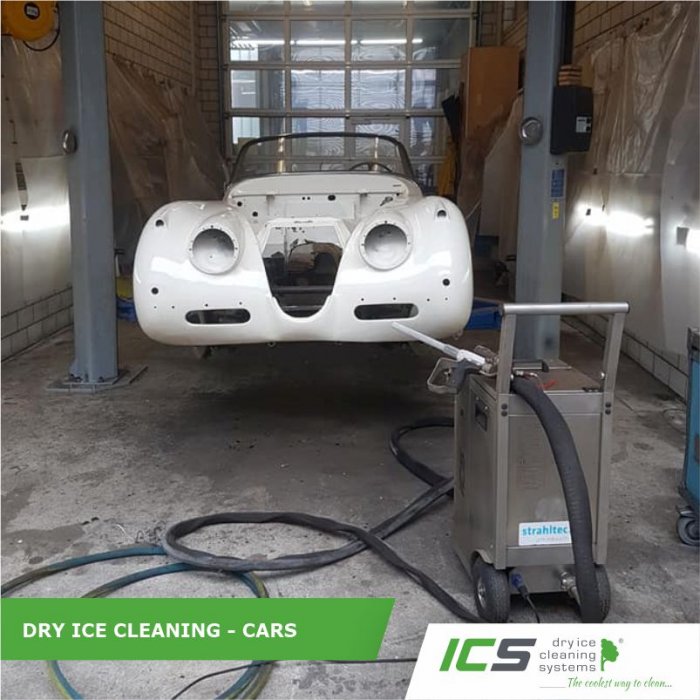
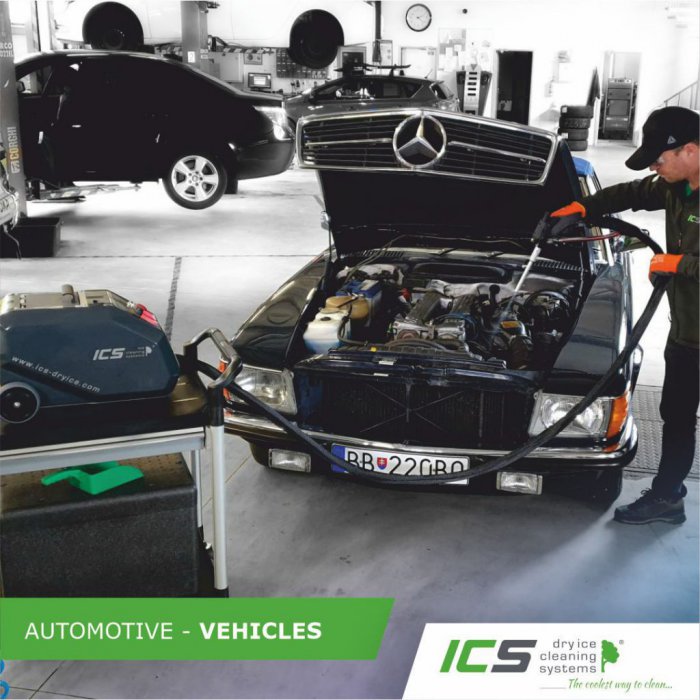
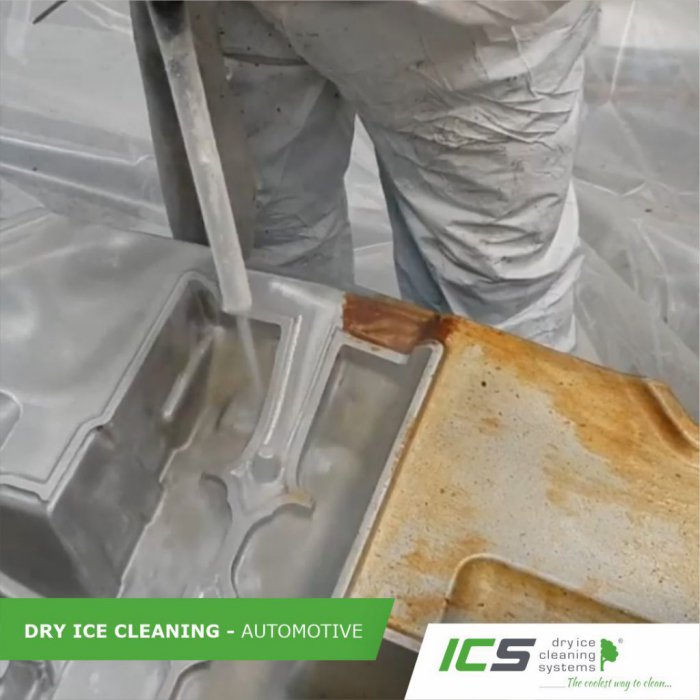
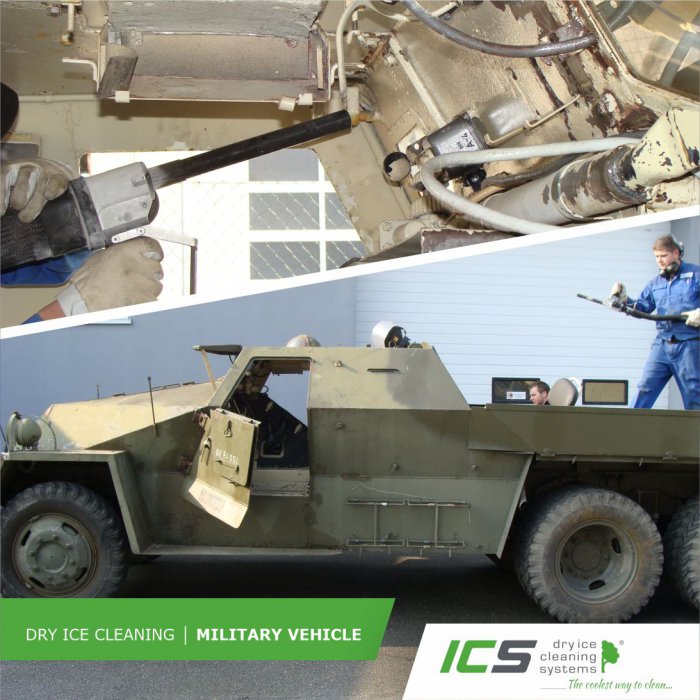
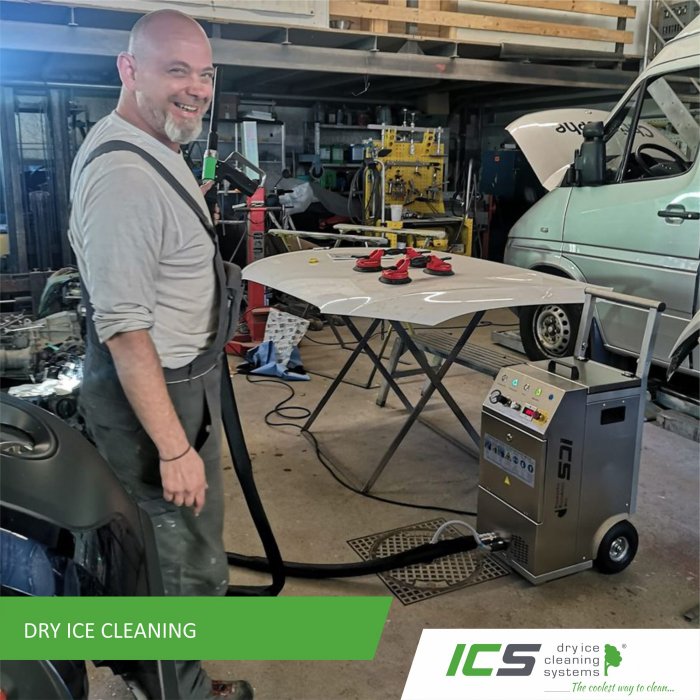
Dry ice cleaning is widely used in the automotive industry as a universal maintenance technology across the entire production process. It is applied for cleaning injection and casting molds, mechanical components of engines and transmissions, assembly fixtures, paint booths, robotic arms, conveyor systems, and production lines. It effectively removes oils, grease, plastic residues, and carbonized deposits without damaging the substrate, without using water, and without generating secondary waste.
Assembly Plants and Robotics: Cleaning Without Production Downtime
✔ cleaning of production lines without disassembly, removal of lubricants and oils
✔ maintenance of robotic arms and sensors
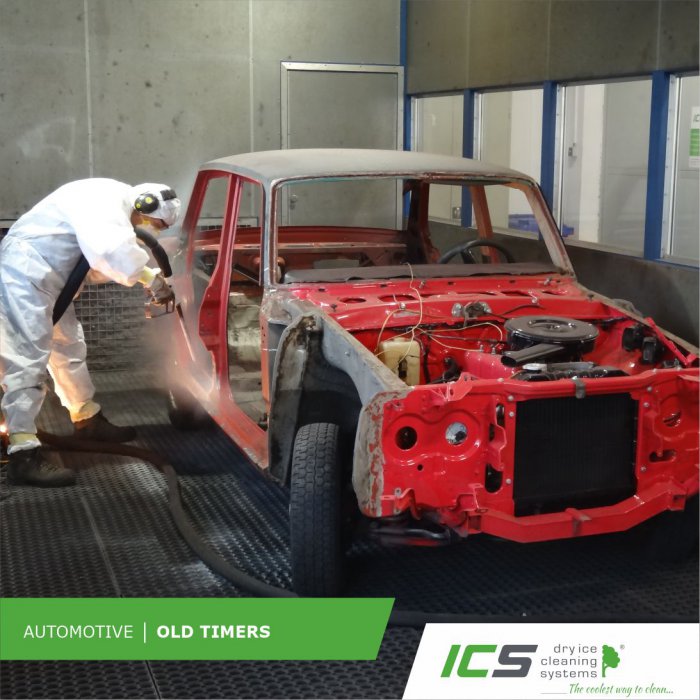
Paint Booths and Foundries: Efficient Removal of Deposits
✔ removal of paint layers without damaging booth surfaces
✔ cleaning of molds without the need for cooling or shutdown
✔ extended lifespan of tools and equipment
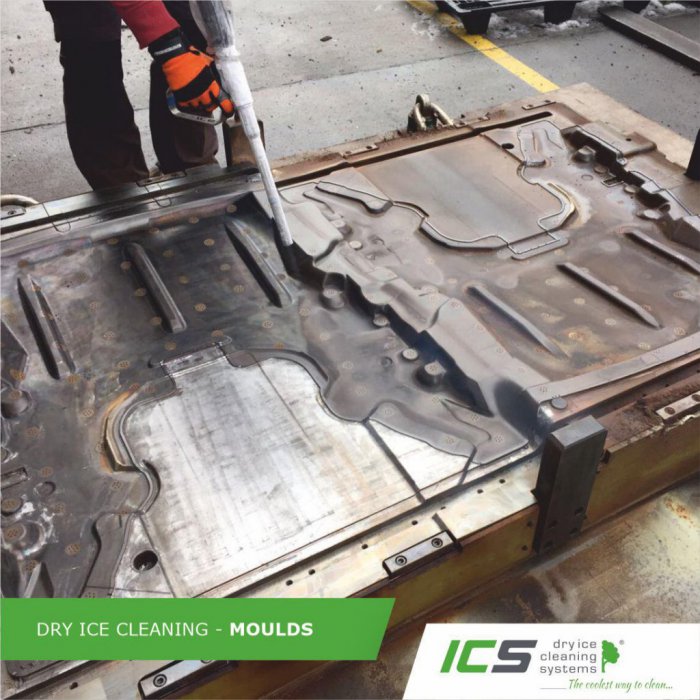
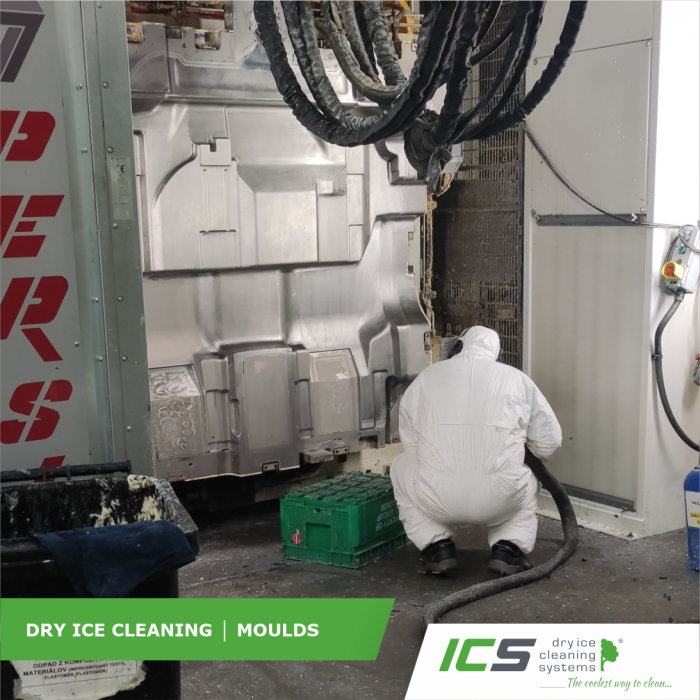
Cleaning of Molds in the Automotive Industry Using Dry Ice
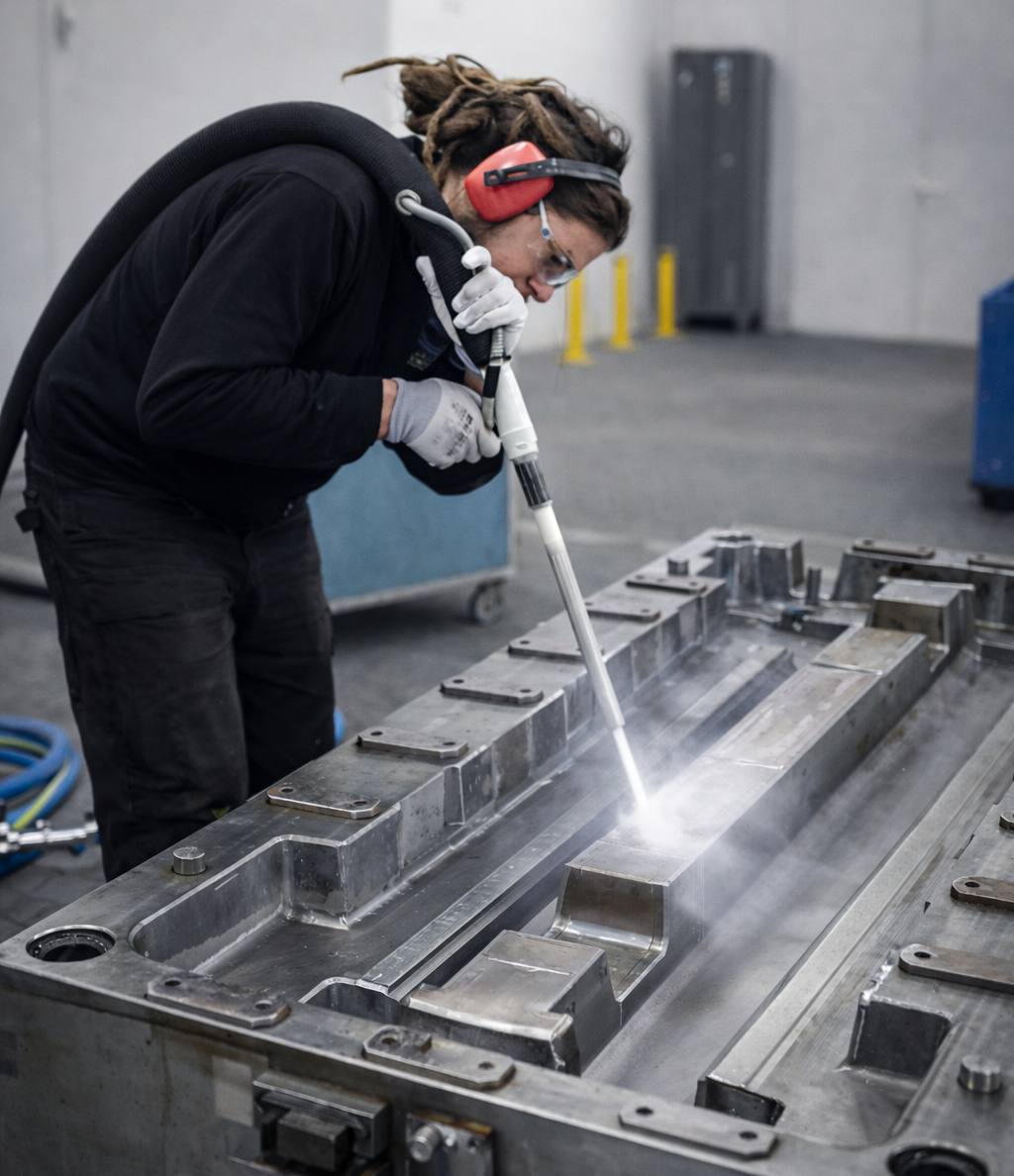
Molds are among the most precise and heavily utilized tools in automotive manufacturing. They are used in plastic injection molding, aluminum die casting, as well as in the production of rubber and electrical components. Their condition directly affects part quality, dimensional accuracy, and scrap rates. During production, release agents, plastic residues, carbonized deposits, oils, and oxidation accumulate on molds.
A significant advantage of dry ice blasting is the ability to clean directly within the production equipment, without disassembly and without the need for cooling. The result is more consistent production quality, fewer defects, and longer mold lifespan.
Electrical Equipment and Hydraulic Units
Hydraulic units represent another demanding area of maintenance. Oil leaks, accumulated lubricants, and the combination of dust and grease create stubborn deposits that typically require aggressive chemicals. Dry ice can break down and remove these layers without damaging hoses, seals, or painted surfaces.
The dry process minimizes the risk of corrosion and reduces downtime, as no drying is required after cleaning. In practice, this means safer maintenance, faster service interventions, and higher reliability of electrical and hydraulic systems throughout the entire production process.
✔ switchboards and electrical cabinets
✔ oil-contaminated hydraulic units
✔ electric motors and control units
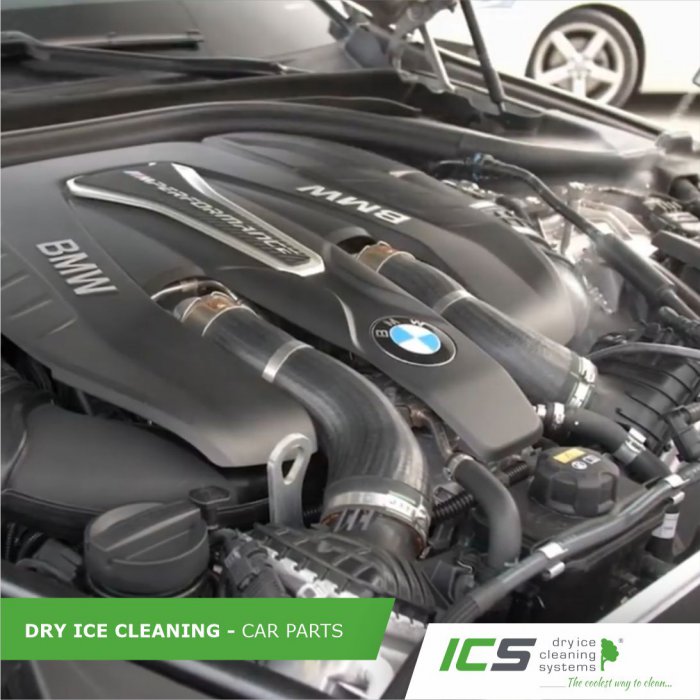
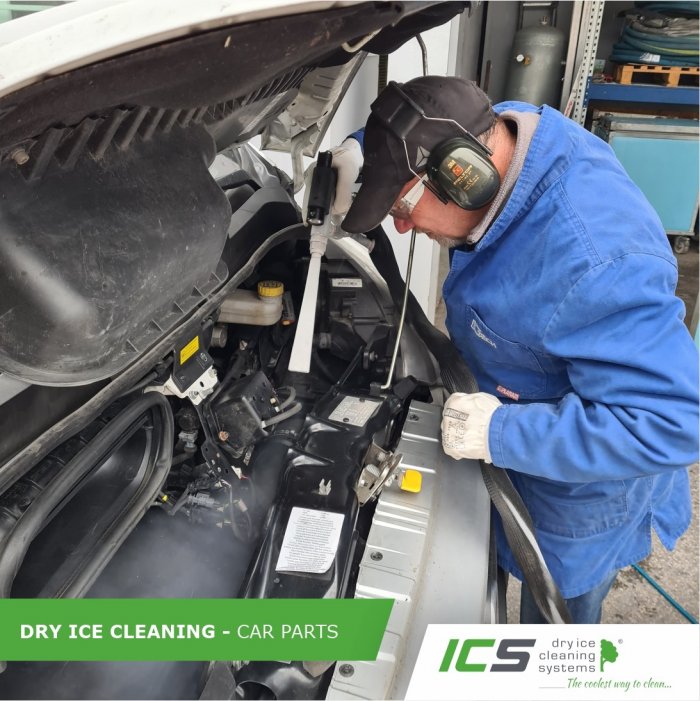
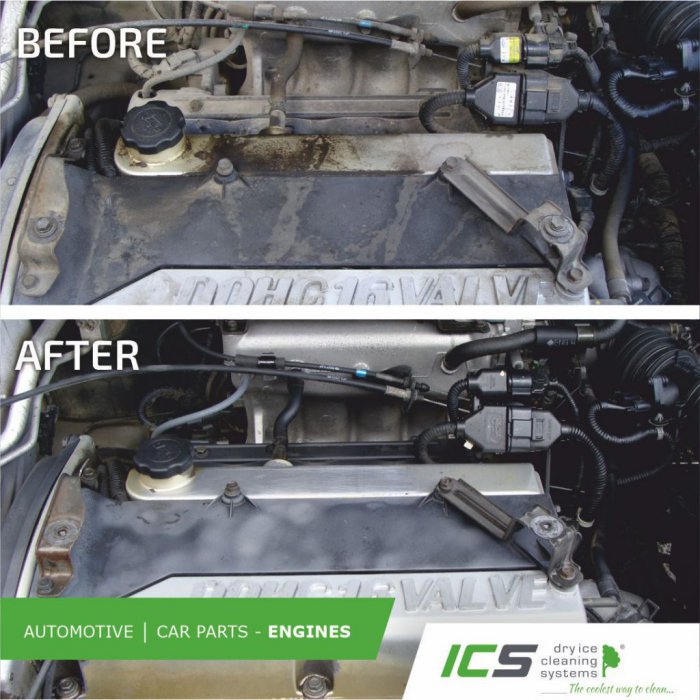
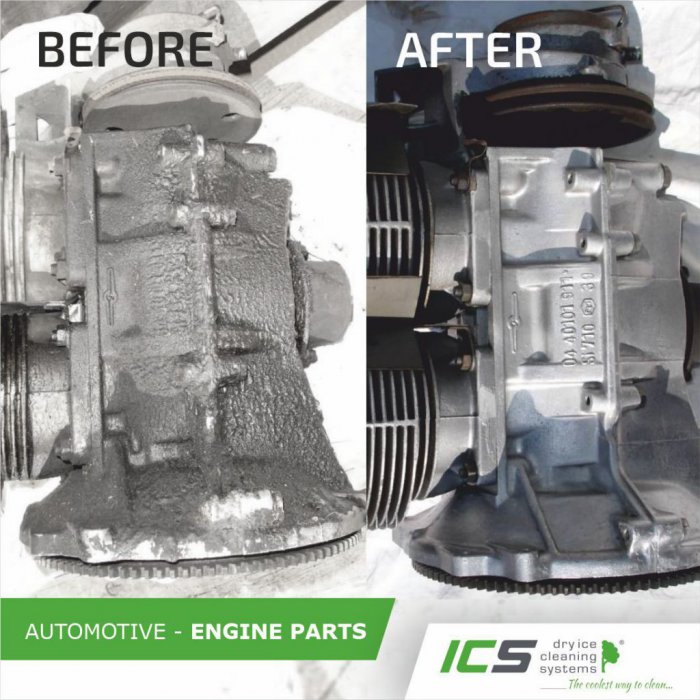
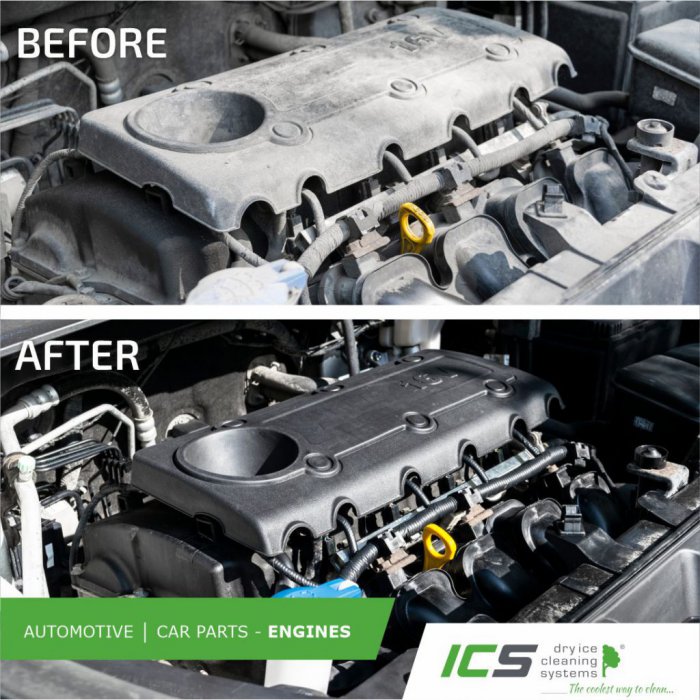
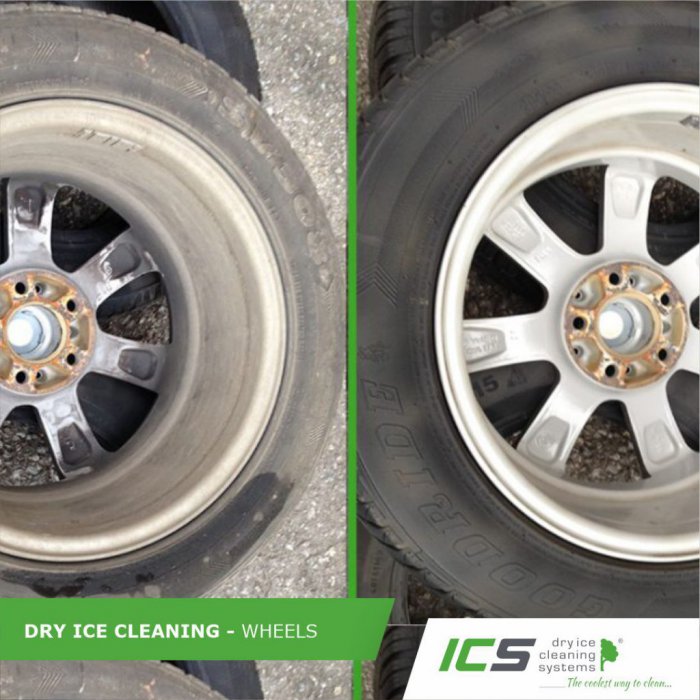
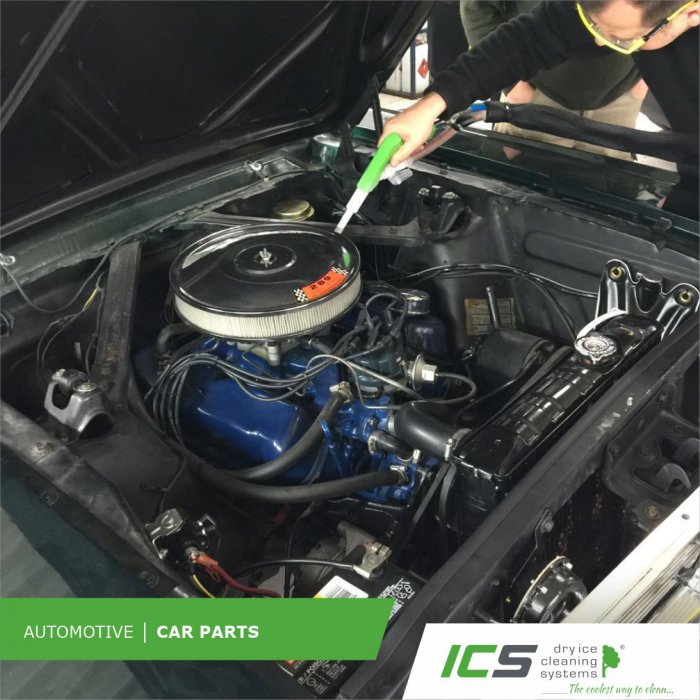
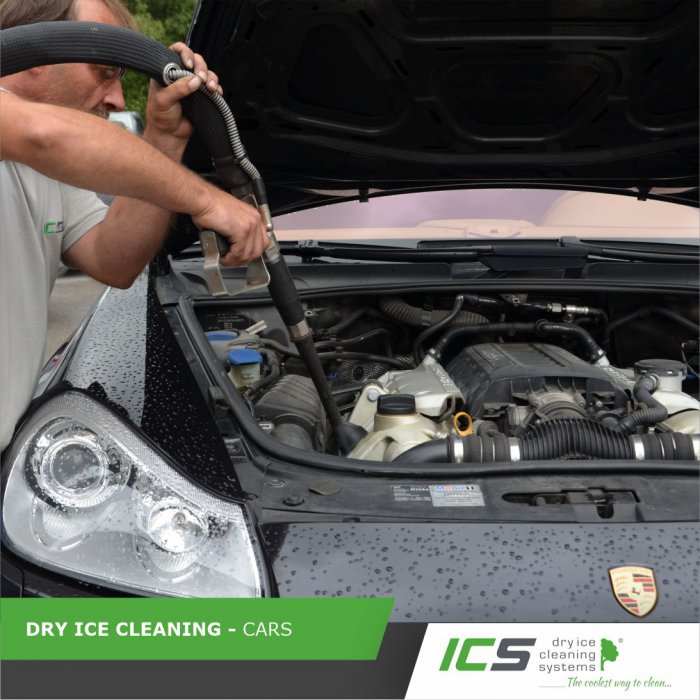
Mechanical Components: Engines, Transmissions, and Suspensions
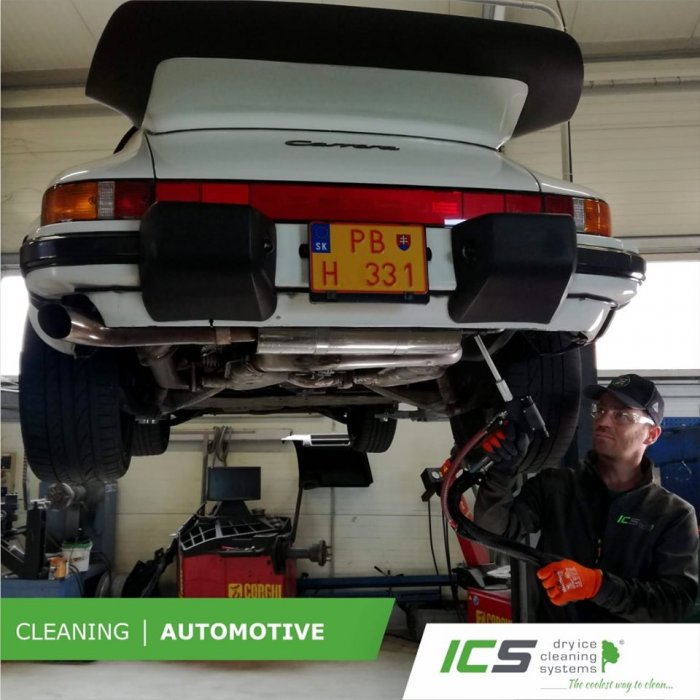
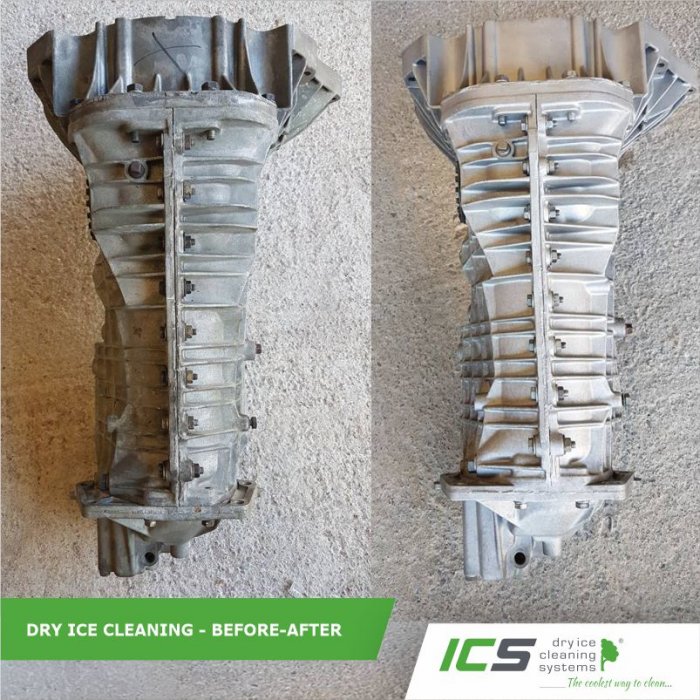
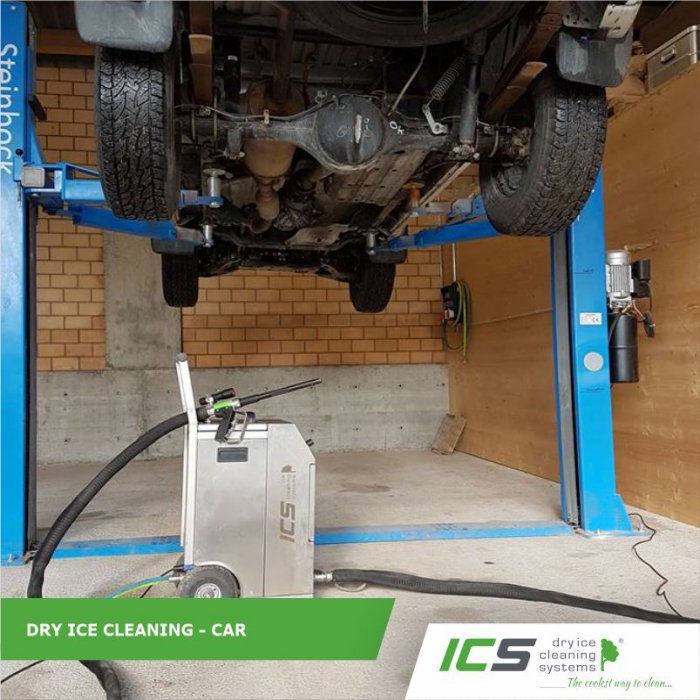
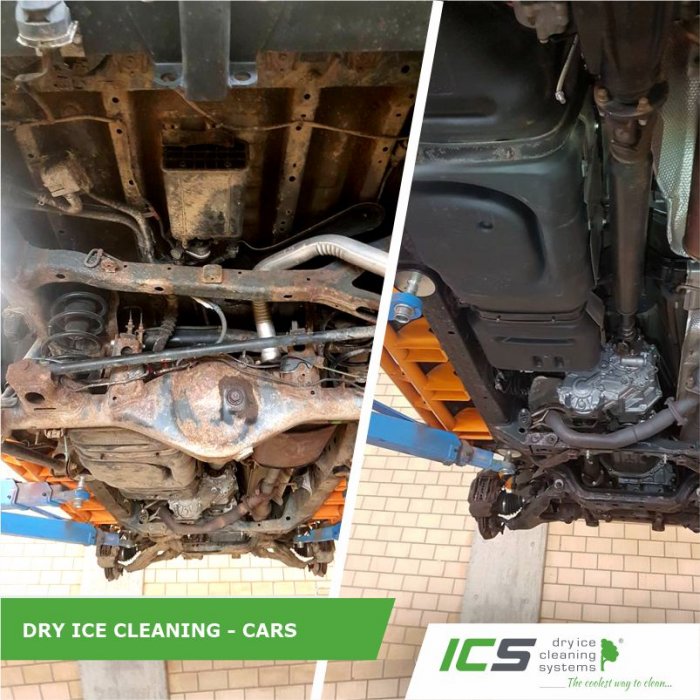
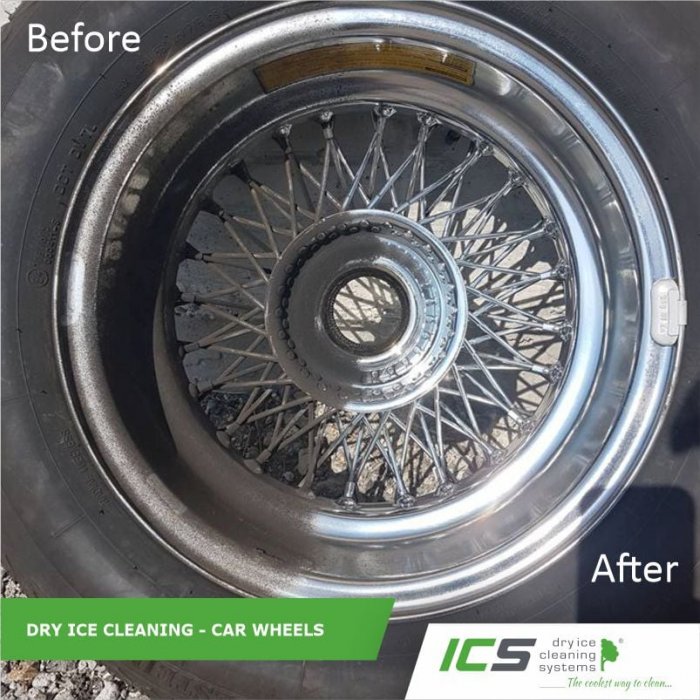
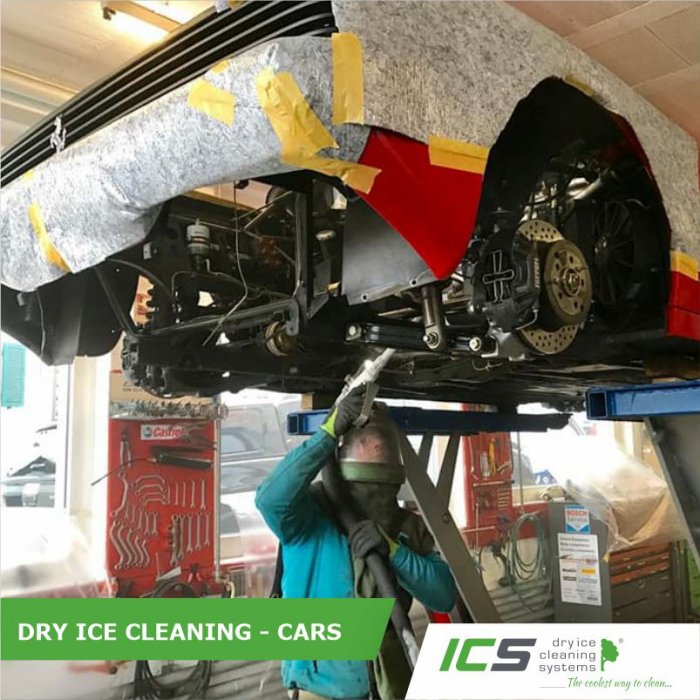
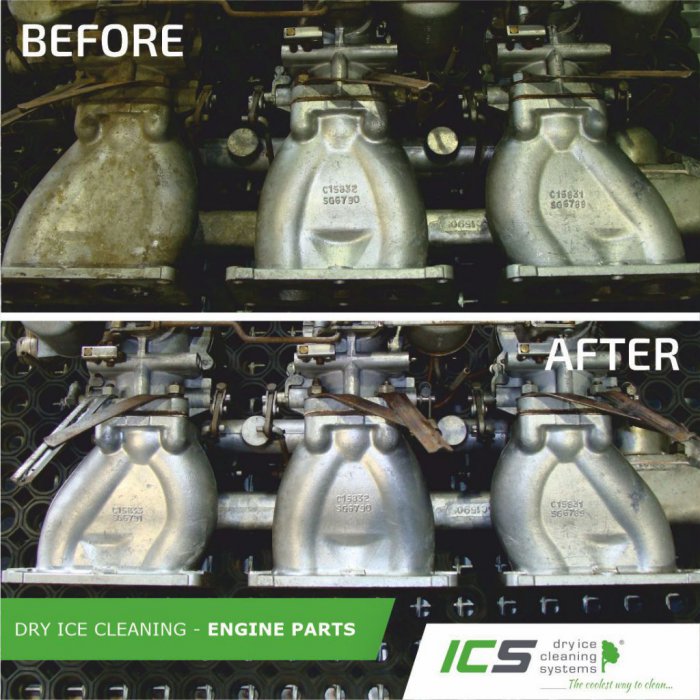
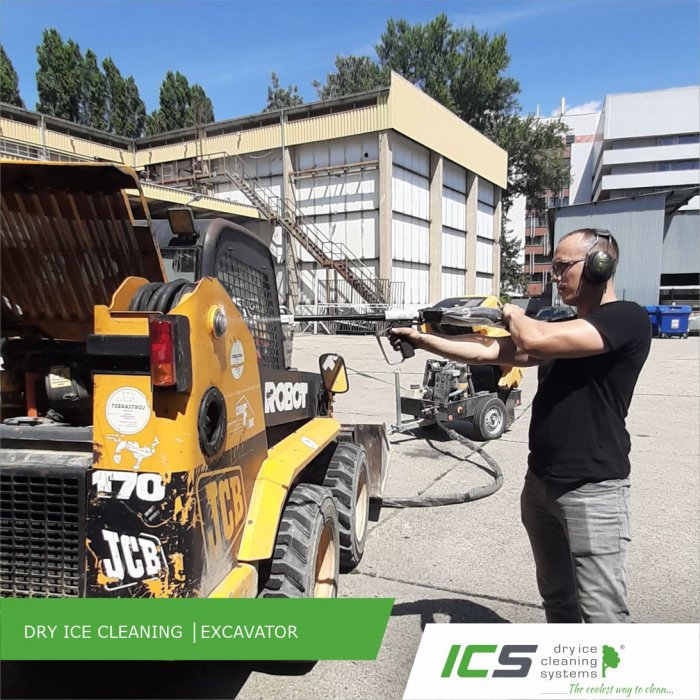
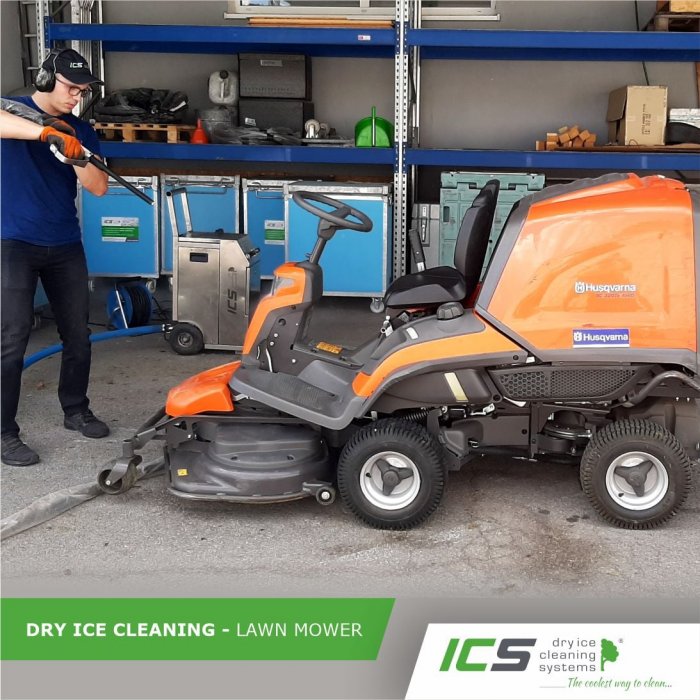
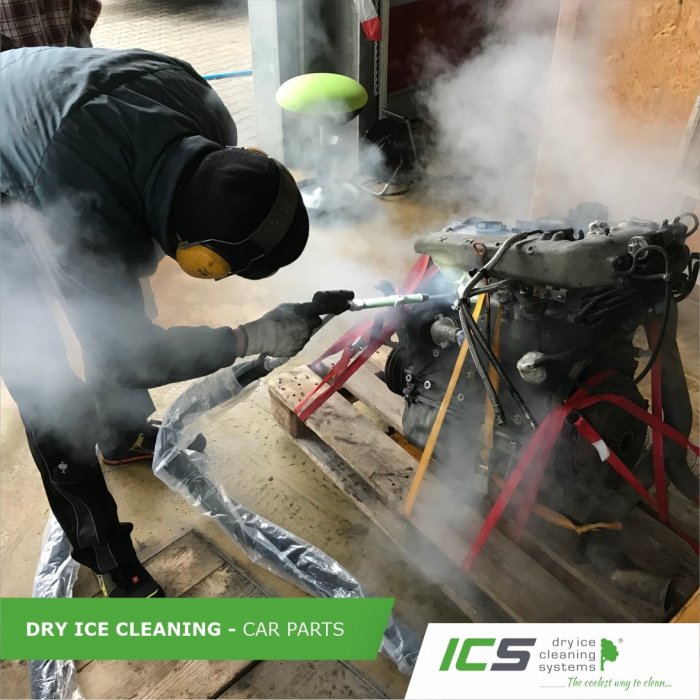
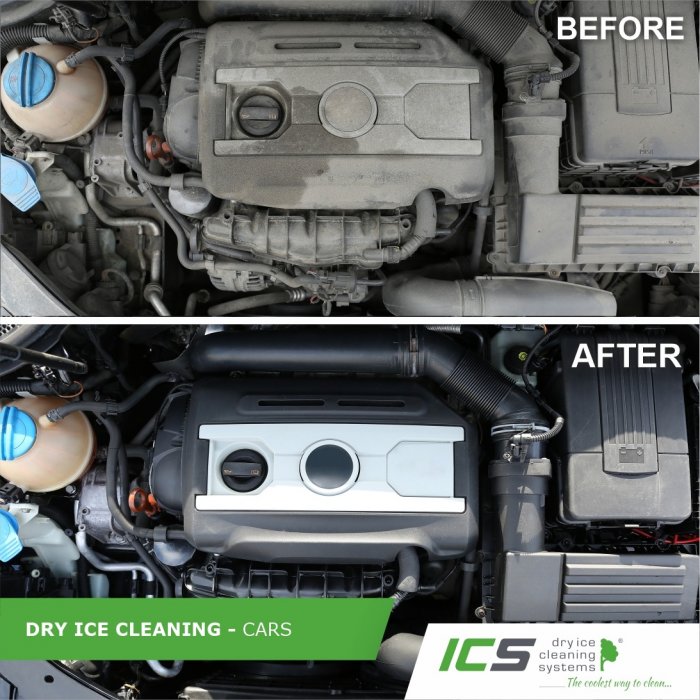
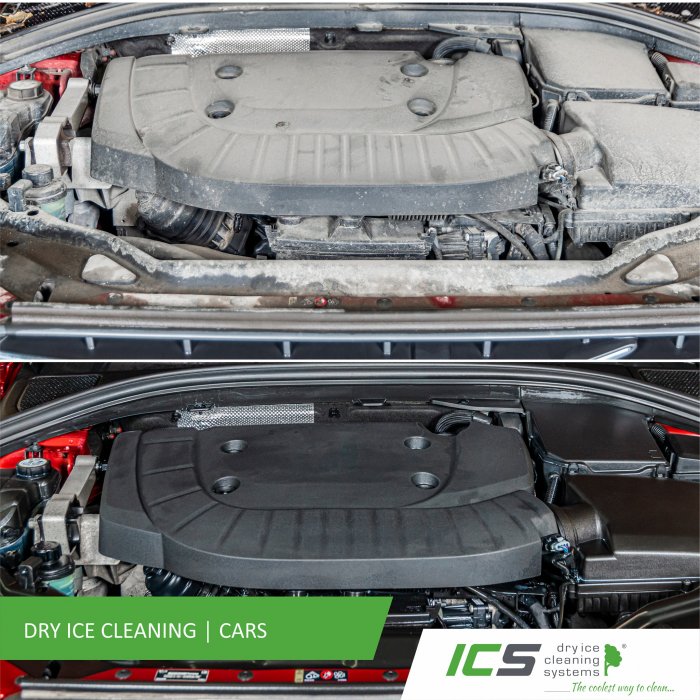
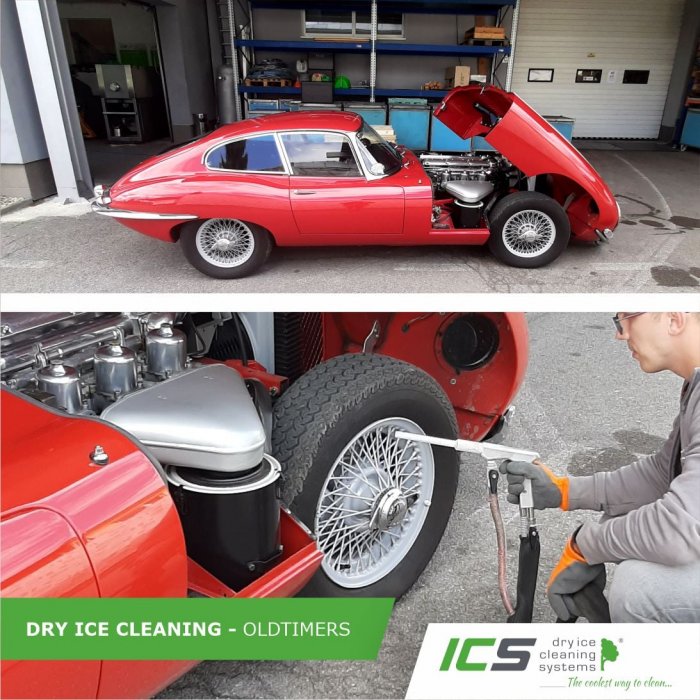
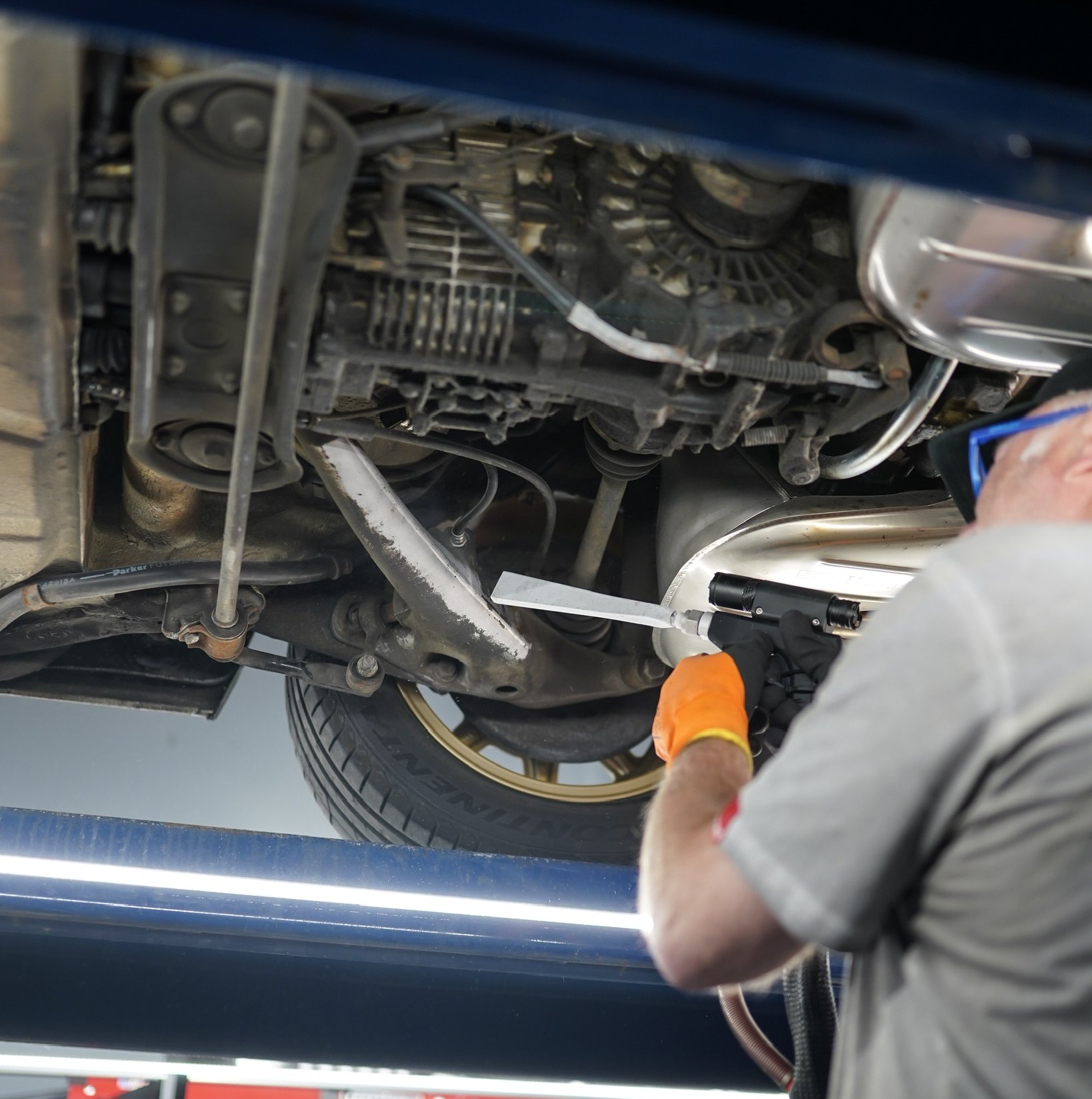
Engines, transmissions, and suspension components are exposed to a combination of grease, dust, and road dirt. Traditional methods often require disassembly of parts. Dry ice cleaning allows you to:
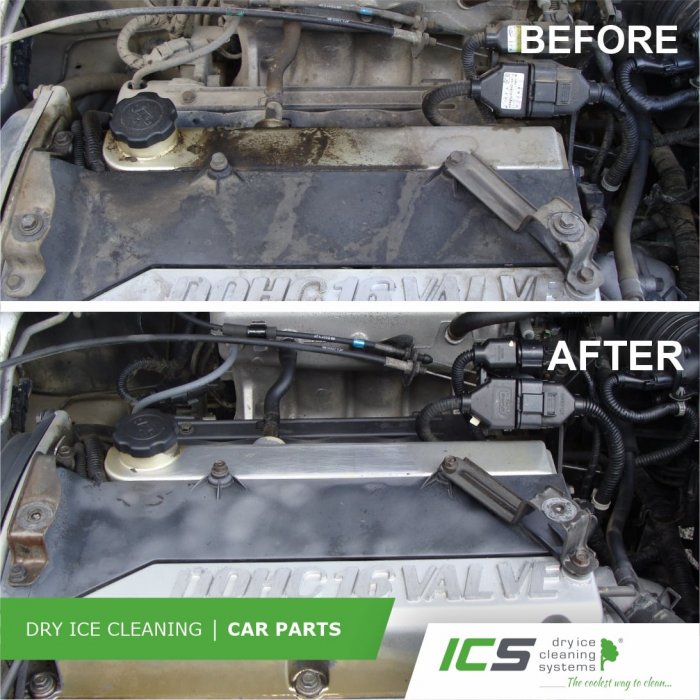
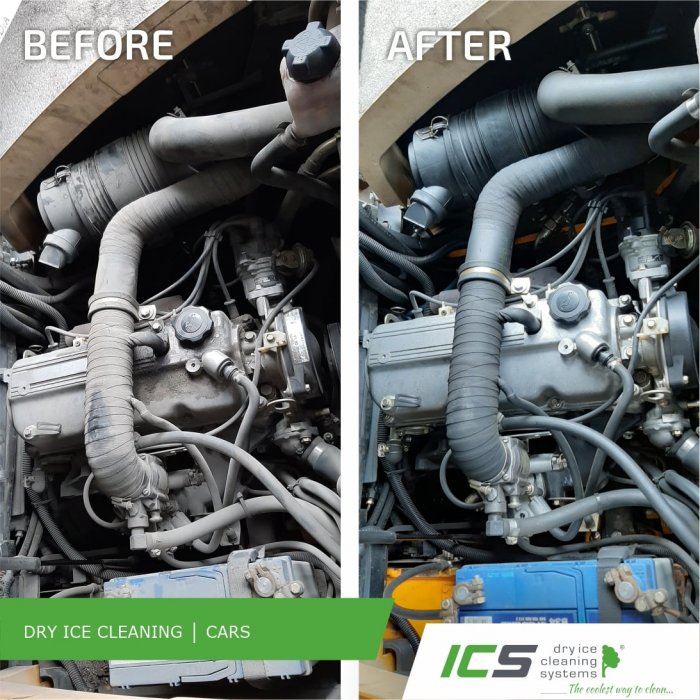
✔ remove oil and carbon deposits
✔ restore the appearance of components
✔ prepare parts for diagnostics or refurbishment
The result is a component that is both visually and functionally close to its original condition.
Electrical Components and Sensitive Systems – Service
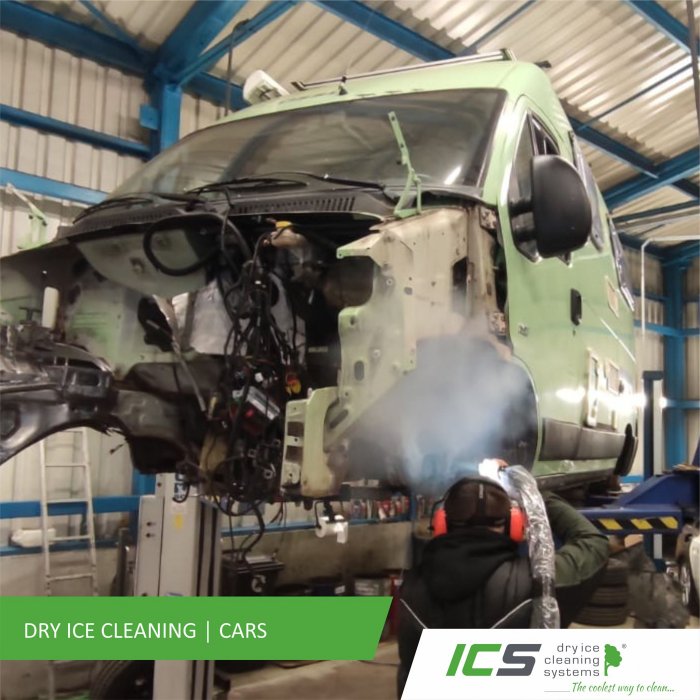
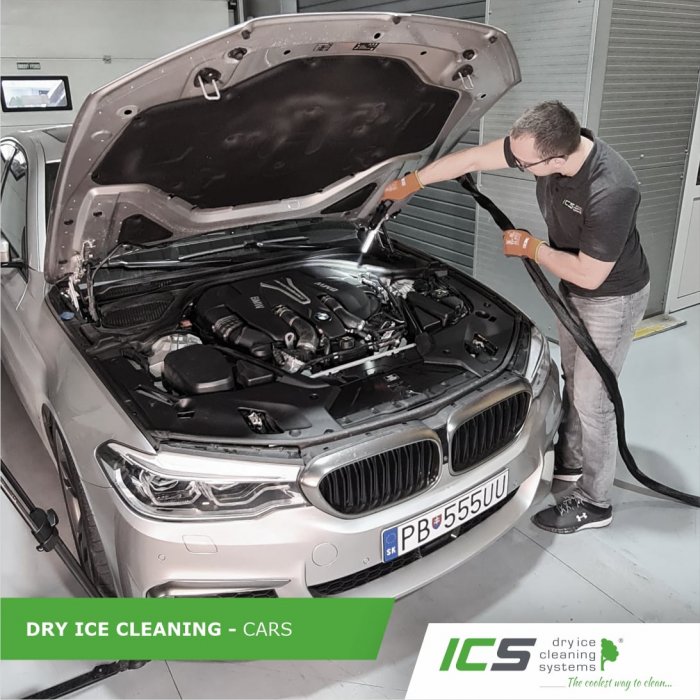
Modern vehicles contain dozens of control units and sensors. Their cleaning must be precise and extremely gentle. Dry ice is non-conductive, non-abrasive, and environmentally friendly, making it an ideal solution for sensitive electronic modules.
In practice, this means faster diagnostics, easier servicing, and components that are both visually and functionally restored.