 Made in Slovakia
 ISO 9001 Made in Slovakia ISO 9001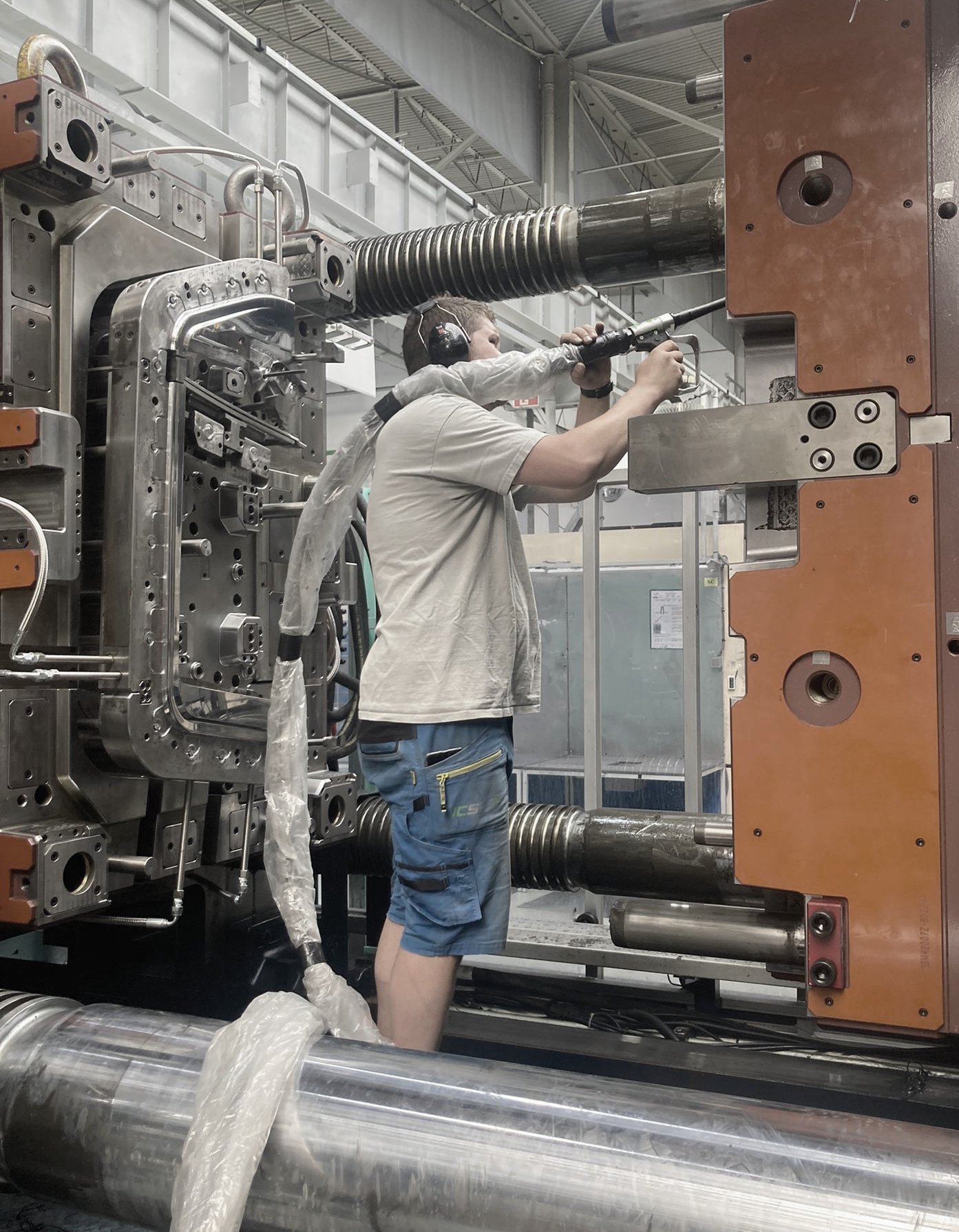
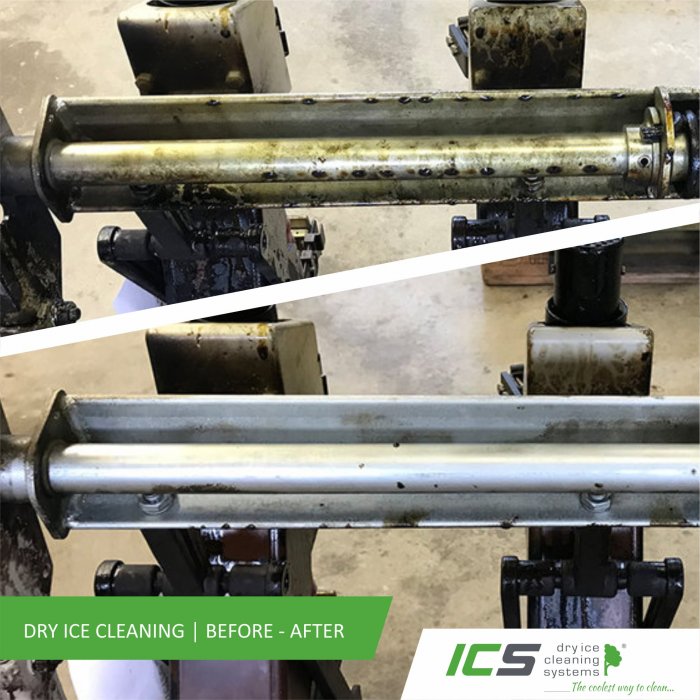
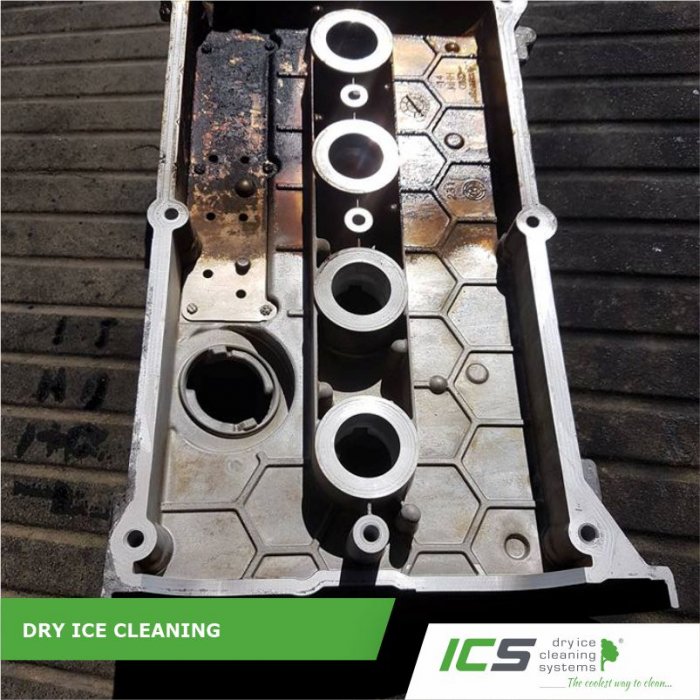
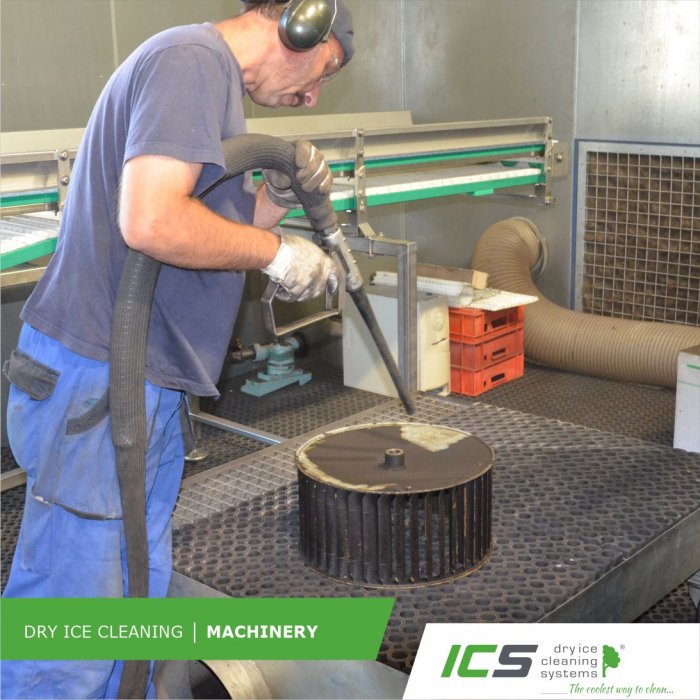
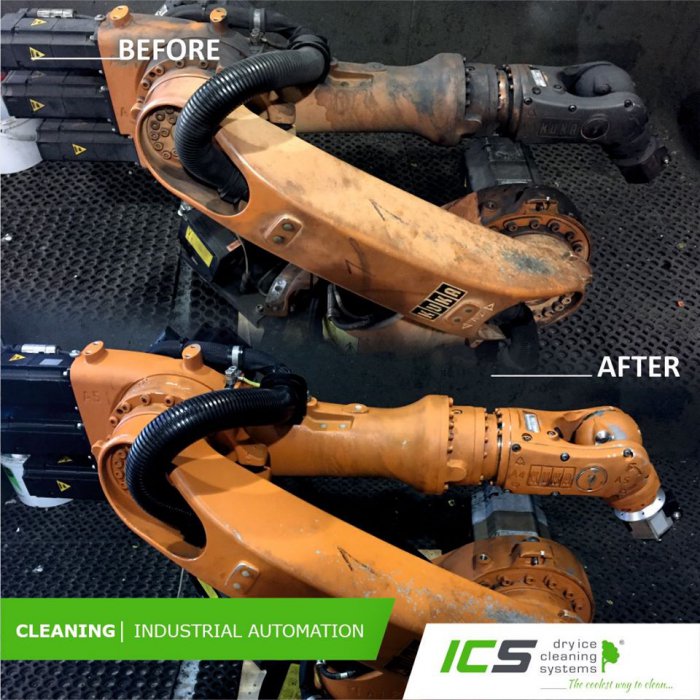
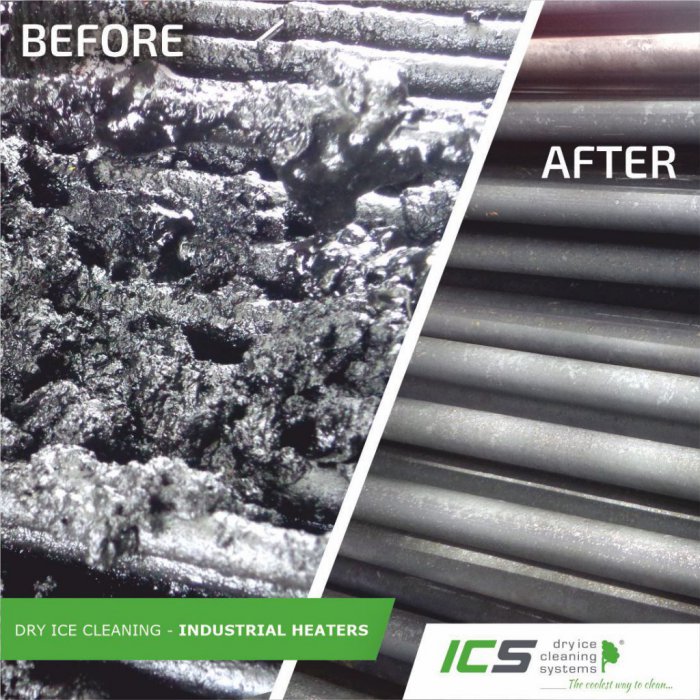
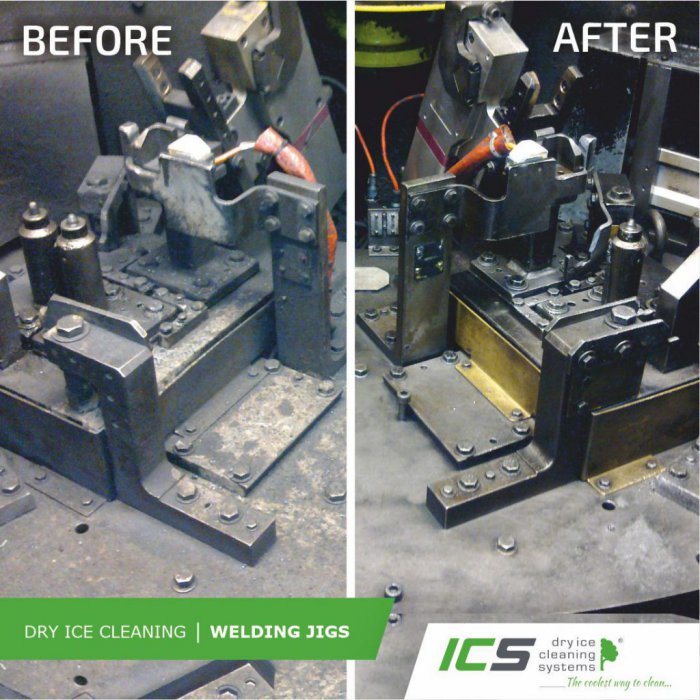
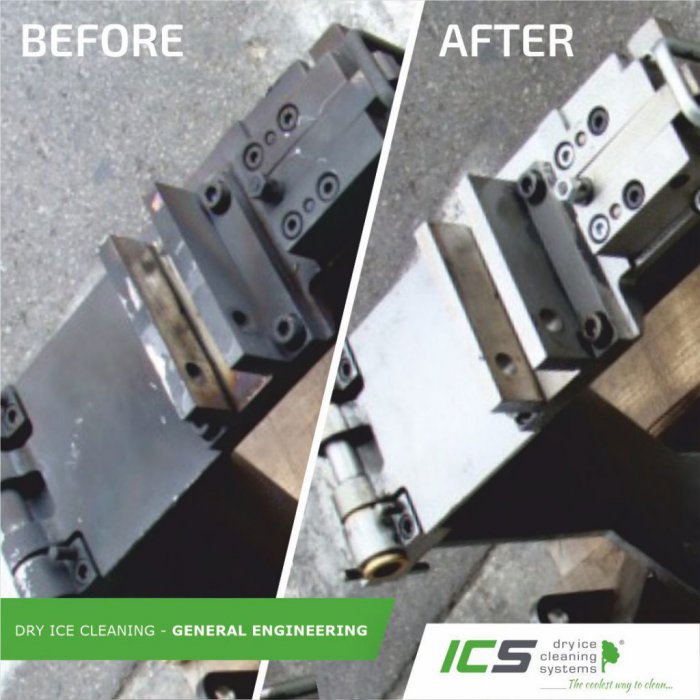
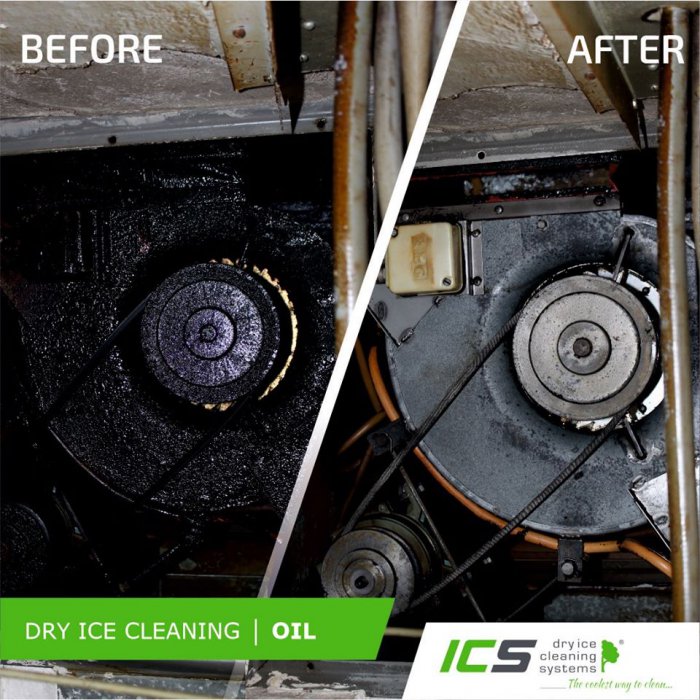
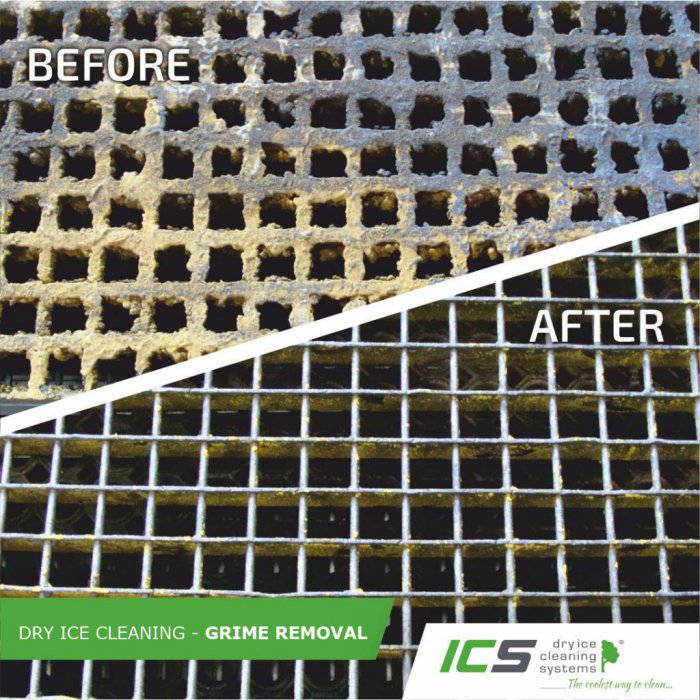
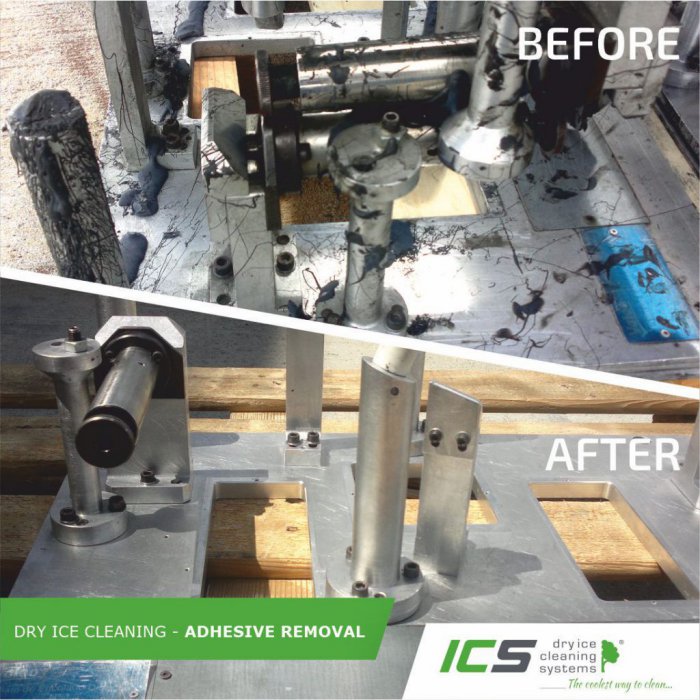
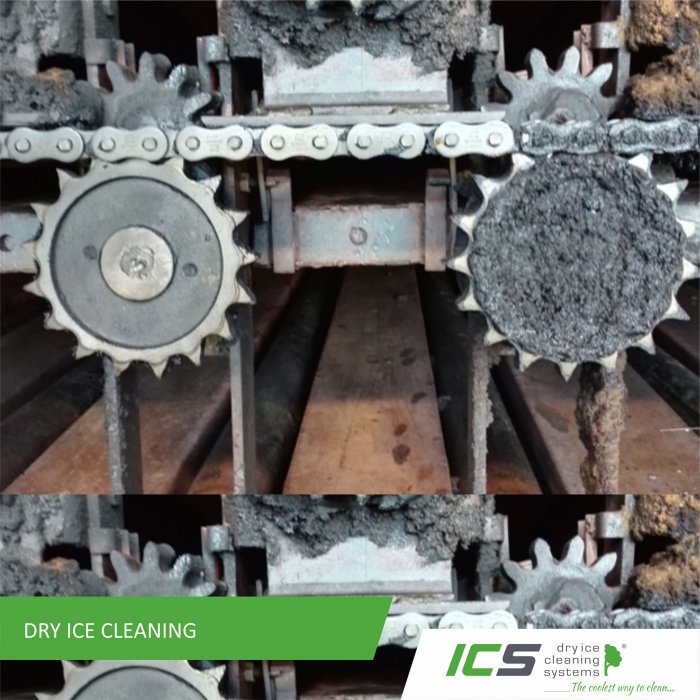
Engineering today is focused on precision, automation, and process optimization. Dry ice cleaning is naturally becoming part of modern maintenance strategies, as it combines efficiency, gentleness, and economic return. Increasing demands for production efficiency, minimal downtime, and reduced operating costs are driving the adoption of new maintenance technologies. During operation, machines are exposed to oils, lubricants, metal dust, and baked-on deposits, which reduce their efficiency and accuracy.
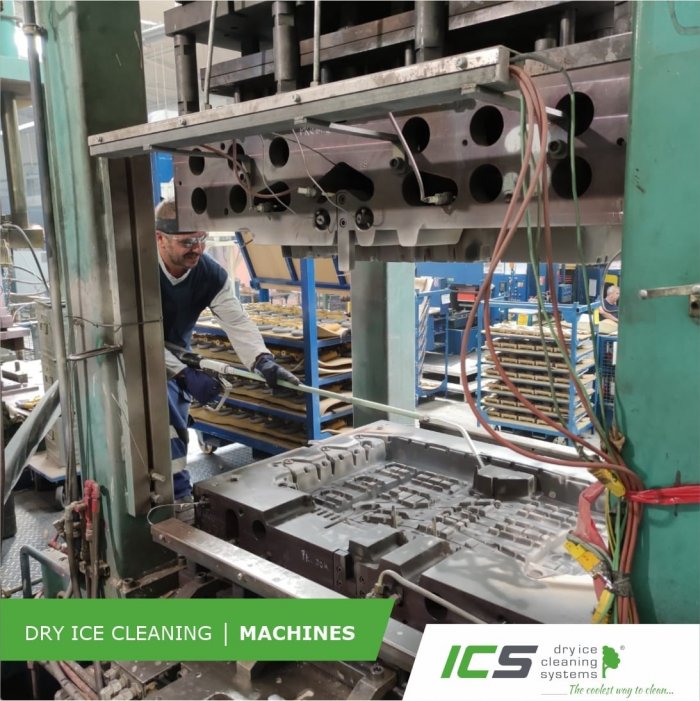
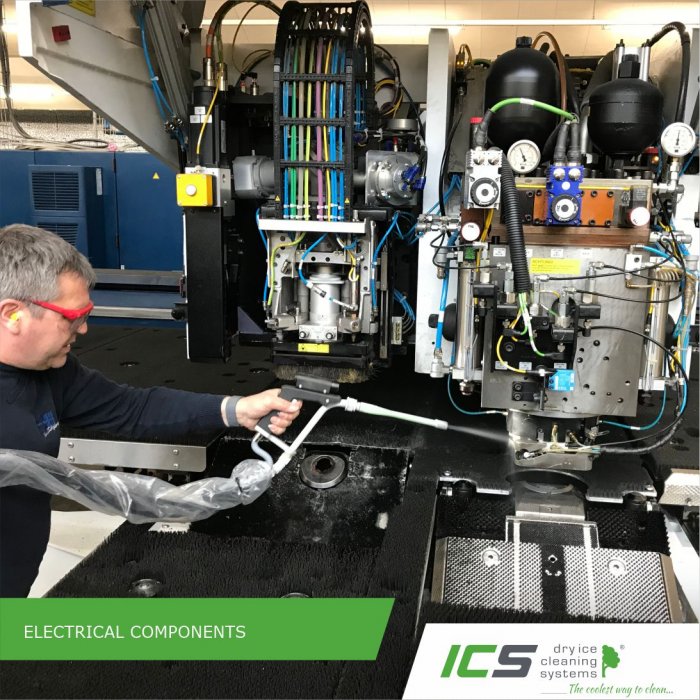
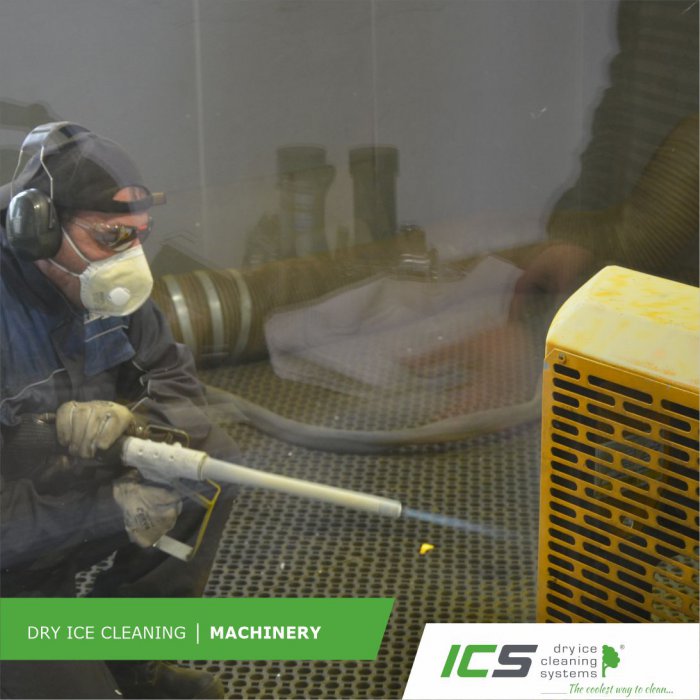
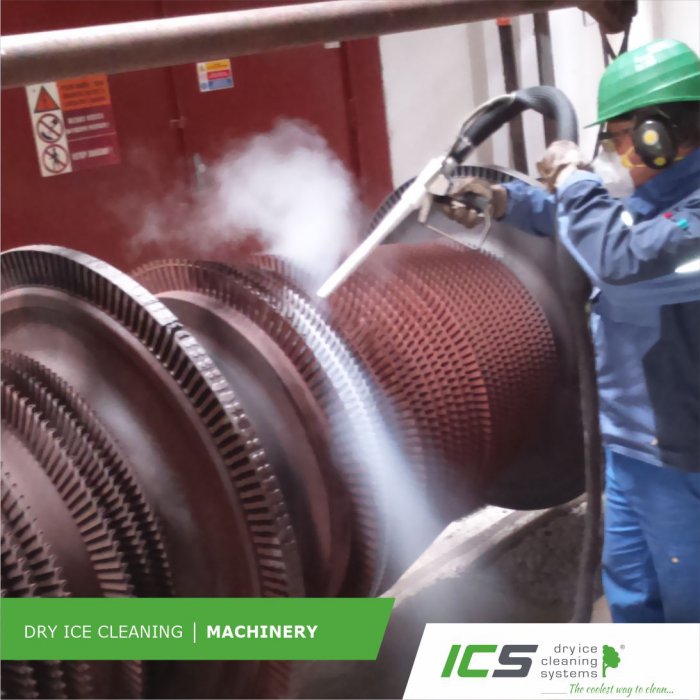
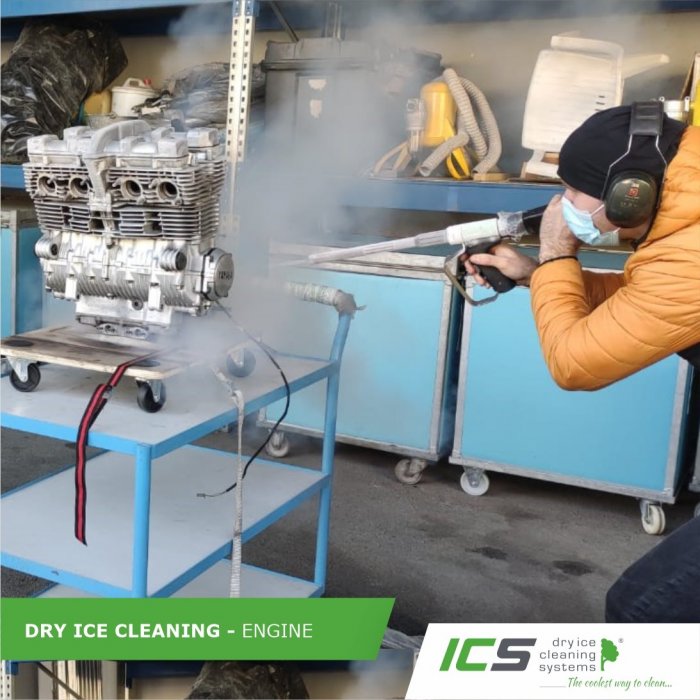
One of the greatest advantages of this technology is the ability to clean equipment without complete disassembly, significantly reducing production downtime. For engineering companies, this means not only cost savings but also minimizing the risk of damage during disassembly and reassembly of components.
In the engineering industry, dry ice cleaning is mainly used for the maintenance of:
✔ production lines and conveyors
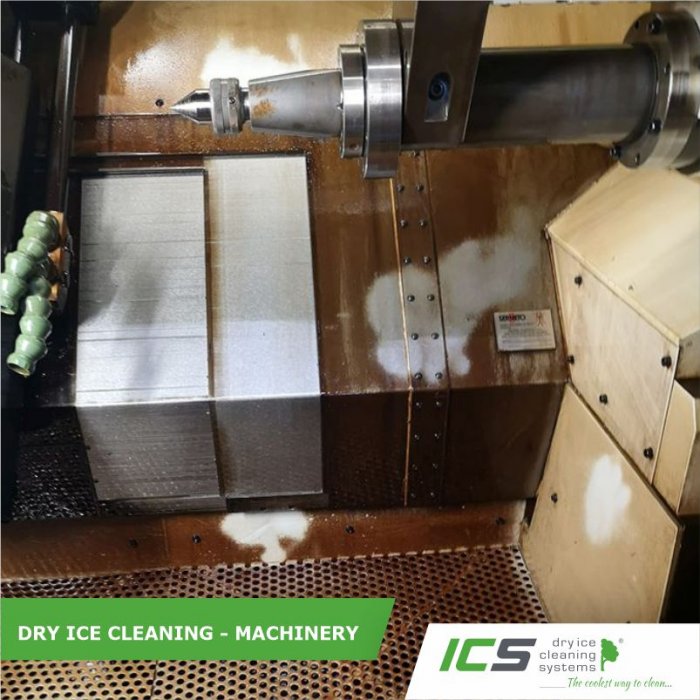
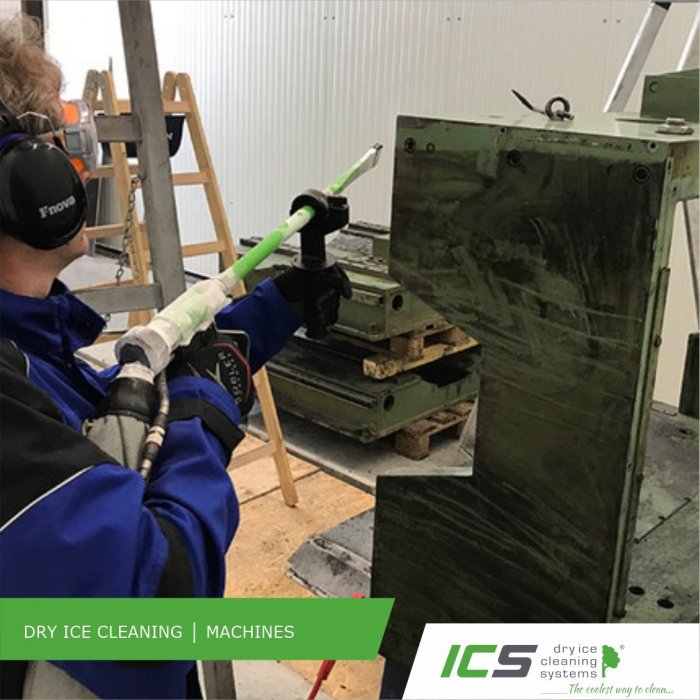
✔ CNC machining centers, presses, and molds
✔ hydraulic systems and other technological equipment
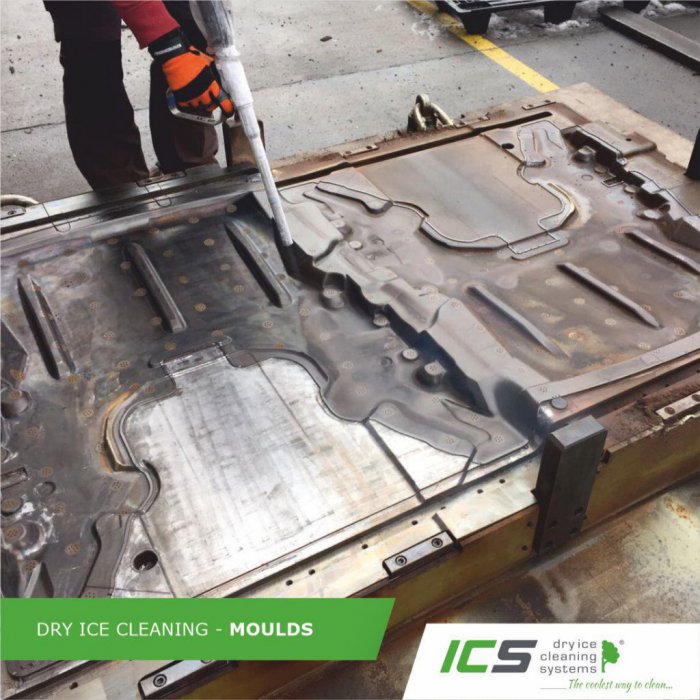
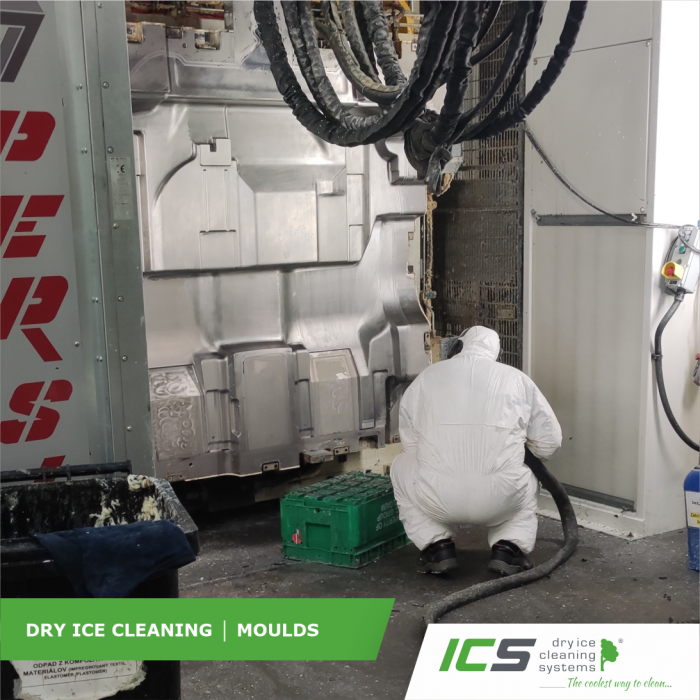
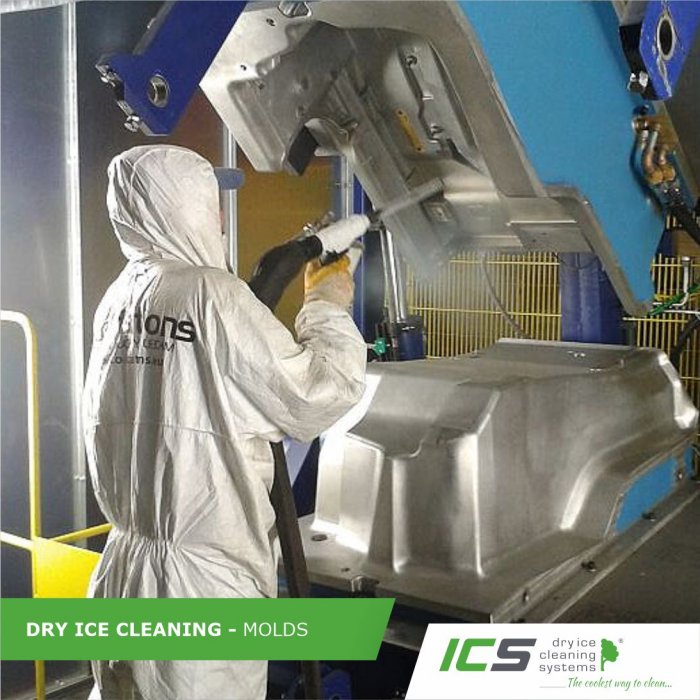
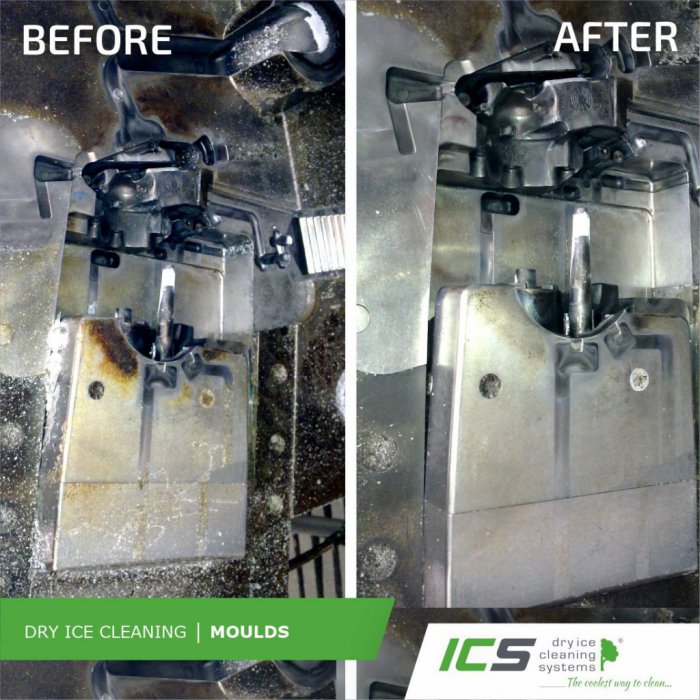
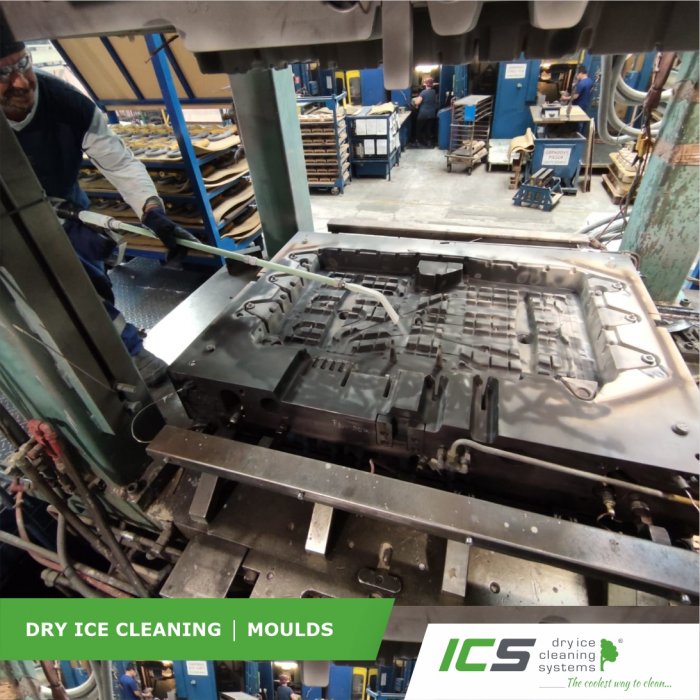
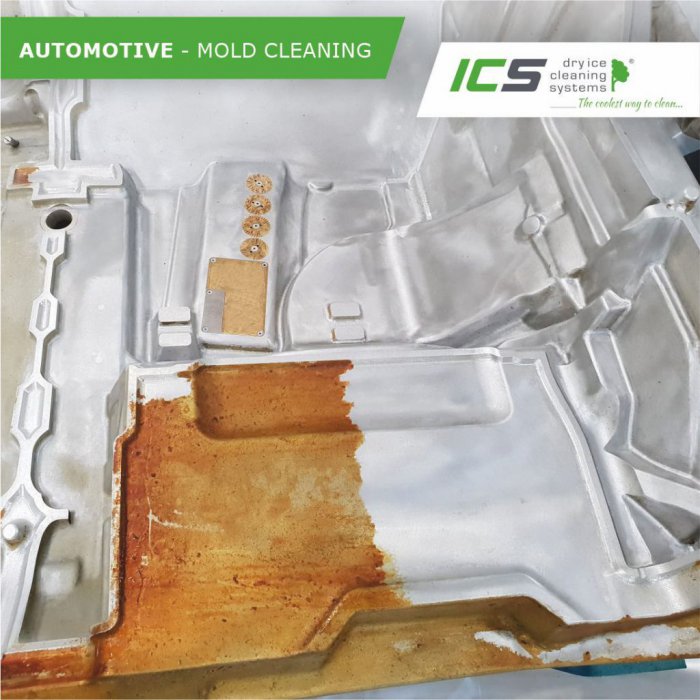
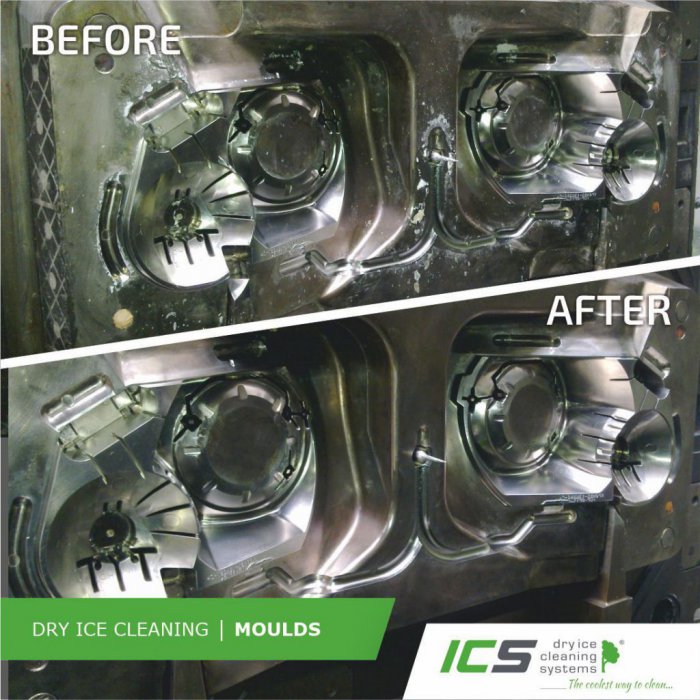
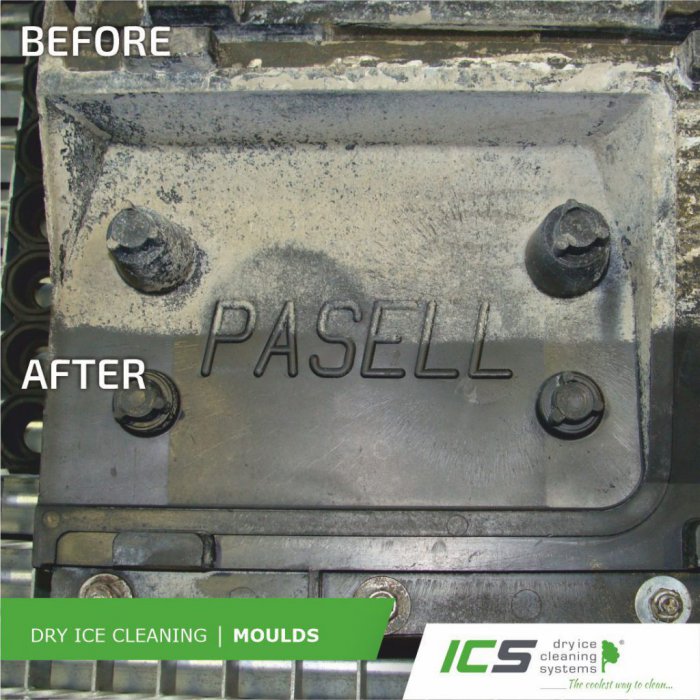
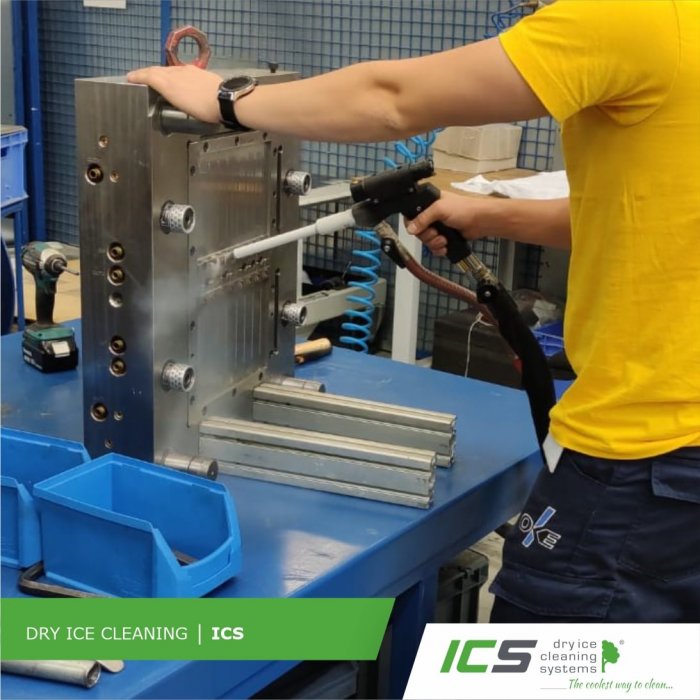
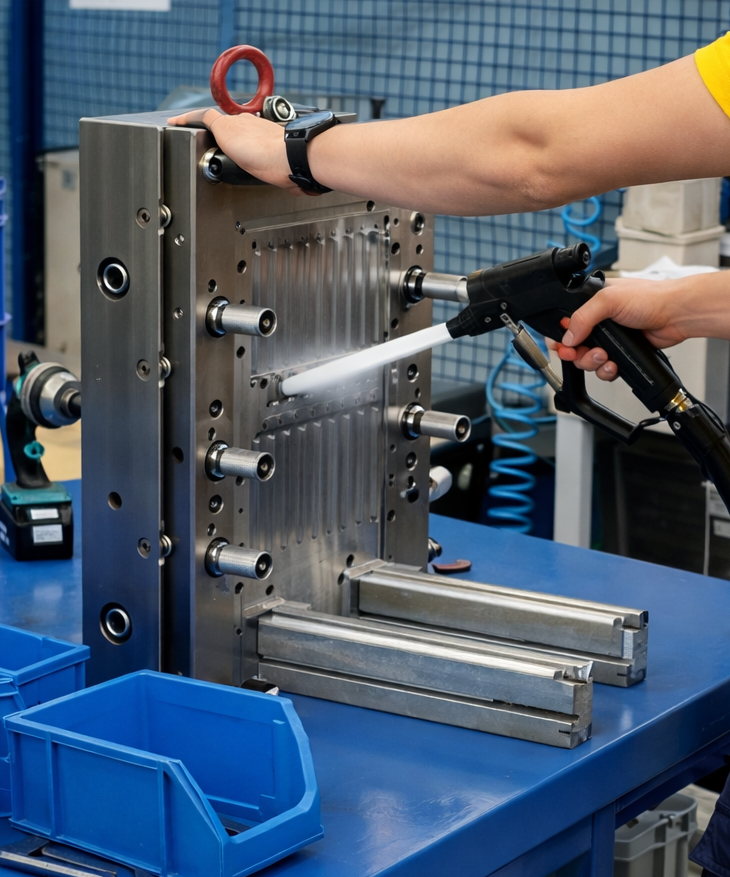
Production quality is directly dependent on the condition of molds. Contaminated or clogged molds cause defects in products, reduce precision, and extend production cycles. Dry ice cleaning represents a modern solution that enables effective removal of contaminants without damaging functional surfaces and without the need for time-consuming disassembly. This technology is increasingly used for the maintenance of injection molds, pressure molds, forming tools, and dies.
Efficient Surface Preparation
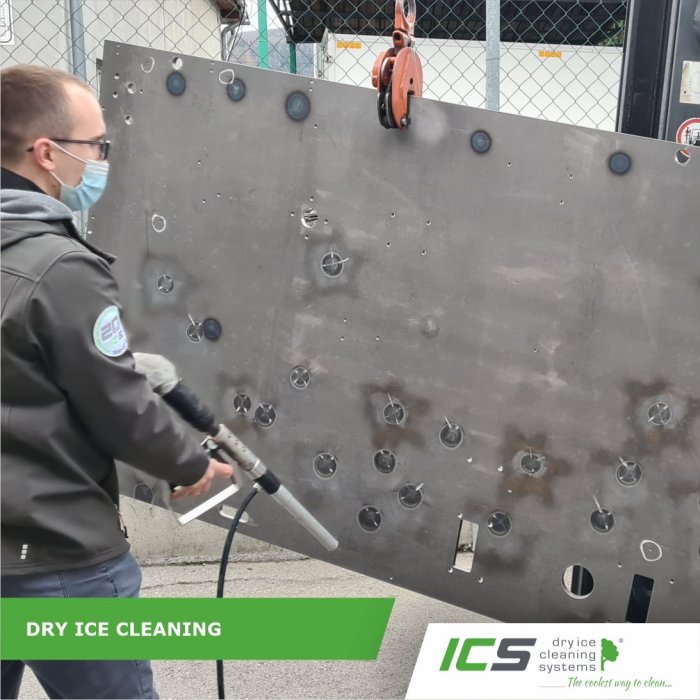
In the engineering industry, surface preparation is a key step before painting, bonding, welding, or applying protective coatings. The quality of the final finish is directly dependent on the cleanliness of the substrate. Dry ice cleaning represents a modern technology that enables thorough yet gentle surface preparation without the use of water, chemicals, or abrasive materials. This method is increasingly becoming part of production and maintenance processes in precision engineering, steel structure manufacturing, and components for the automotive and energy sectors.
Before applying coatings or surface treatments, it is necessary to remove:
✔ oils and lubricants
✔ dust and metal particles
✔ release agents
✔ residues of old coatings
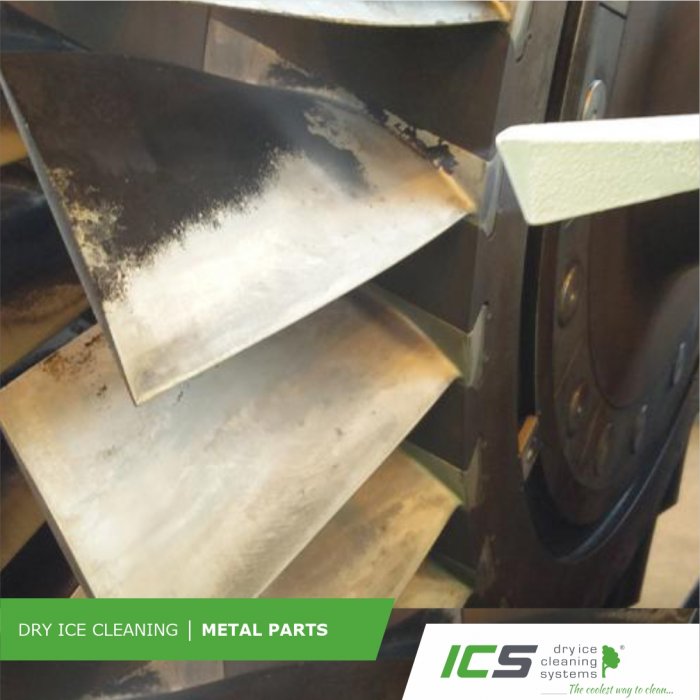
✔ oxidation and light corrosion
If grease or microscopic contaminants remain on the surface, it can lead to reduced paint adhesion, coating peeling, or surface defects. This is where dry ice cleaning proves highly effective—the surface is perfectly degreased without any residual moisture.
Unlike sandblasting or grinding, there is no mechanical roughening of the material unless it is technologically required. The surface remains dimensionally stable, which is especially important for precision parts and machined components.
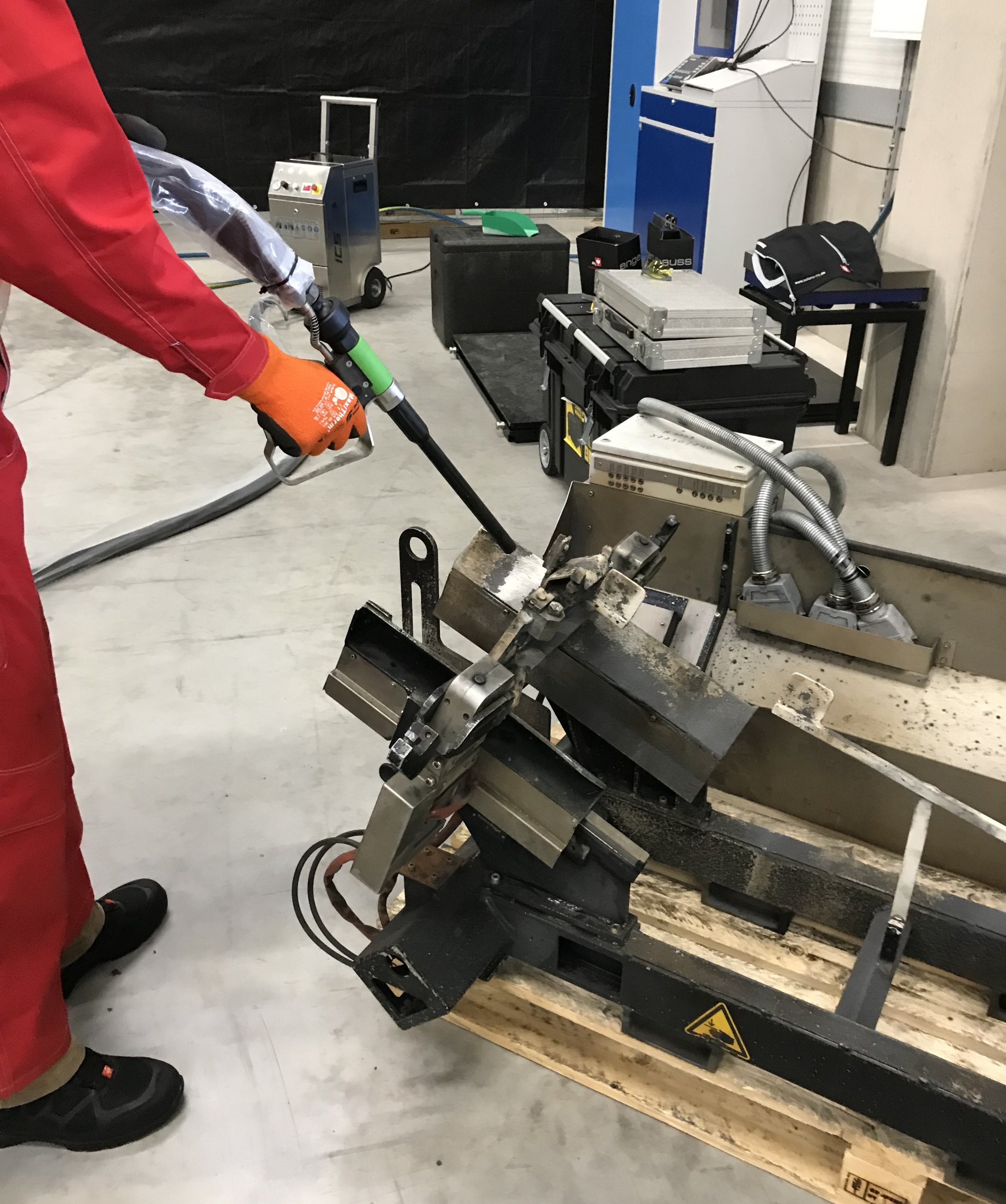
This technology is also suitable for complex structures where access with conventional methods is difficult. Dry ice blasting reaches gaps, grooves, and hard-to-access areas without the need for disassembly.
Advantages Over Conventional Methods
Compared to chemical degreasing or high-pressure water cleaning, dry ice offers several key advantages. No moisture is generated that could cause immediate corrosion, and there is no need to dry the surface before further processing. At the same time, no abrasive waste is produced that would require environmentally responsible disposal.
From a production perspective, this means faster technological processes, lower costs for subsequent workplace cleaning, and higher quality of the final finish.
Environmentally Friendly and Safe Process
Dry ice cleaning does not use chemical solvents and does not produce secondary waste in the form of sand or water. The carbon dioxide used in the process is a by-product of other industrial processes, meaning it does not generate additional emissions.
For engineering companies focused on environmental standards and sustainable production, this technology represents a significant step toward greener processes.
A Modern Approach to Surface Preparation
In an environment where precision, reliability, and efficiency are critical, dry ice cleaning represents a progressive alternative to conventional surface preparation methods. It enables achieving a high-quality substrate without negatively affecting the material and without unnecessary downtime.
If the goal is to ensure maximum coating adhesion and long-term protection of metal components, dry ice cleaning is a technologically advanced and economically efficient solution.